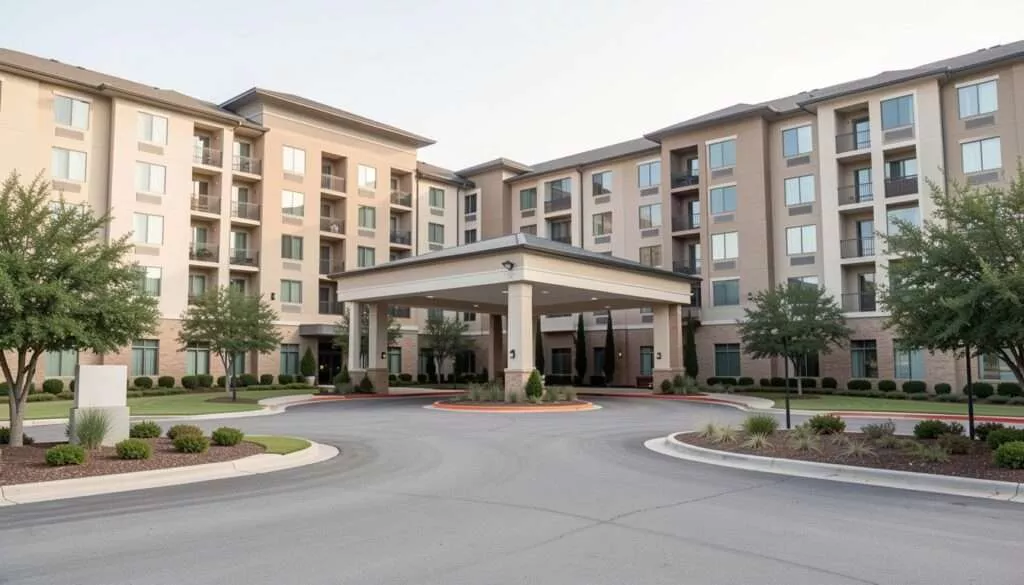
Hospitality property is commercial real estate designed for short-term lodging and guest services, functioning simultaneously as a physical asset and a daily operating business. Unlike other commercial classes where tenants sign long-term leases, hotels and resorts essentially sign new leases every night. This structure means the property’s income is tied directly to daily occupancy and average daily rates, making it highly responsive to local events, tourism trends, and corporate travel shifts. An owner evaluates the physical building while simultaneously managing or overseeing a labor-intensive service operation.
Evaluating these assets requires separating the value of the real estate from the value of the business operation. Many properties operate under a flag or franchise agreement, which dictates everything from property improvement requirements to marketing support and fee structures. The revenue model depends on balancing room rates against the high operating expenses of staffing, insurance, and continuous property maintenance. Investors typically structure these deals by separating ownership of the physical building from the management entity that handles the day-to-day guest experience.