Opens in a new tab
Schedule Call

Industrial Real Estate

Commercial Industrial Properties in New Braunfels & Central Texas — For Sale or Lease

Buying, selling, or leasing industrial space in Central Texas comes down to the operational details—clear height, power capacity, and how trucks actually access the site. We work industrial deals along the Austin-San Antonio IH35 Corridor, evaluating properties from New Braunfels and San Marcos down to Schertz. We walk the truck courts, verify the dock door counts, and read the existing leases before you make a commitment. Tell us what your supply chain or investment strategy requires, and we will show you what the market actually holds.

Discuss Your Industrial Strategy

Definition

What is Industrial Real Estate?

Industrial property is commercial real estate designed for manufacturing, warehousing, distribution, and specialized logistics operations. These facilities serve as the physical infrastructure of the supply chain, housing the equipment and inventory that keep regional economies moving. The value of these buildings rests heavily on their physical specifications rather than their aesthetic appeal. Operations require specific structural elements, from heavy power feeds and wide column spacing to reinforced concrete slabs capable of supporting heavy machinery or extensive racking systems.

The tenant base for this asset class ranges from local fabrication shops and regional distributors to national third-party logistics providers. Leases typically run on triple-net structures, placing the responsibility for property taxes, insurance, and maintenance directly on the occupant. Because the physical structure is closely tied to the tenant’s business operations, occupants often invest heavily in their own interior build-outs and equipment installation. This integration tends to encourage longer lease terms and higher renewal rates, as relocating a manufacturing line or distribution hub requires significant capital and operational downtime.

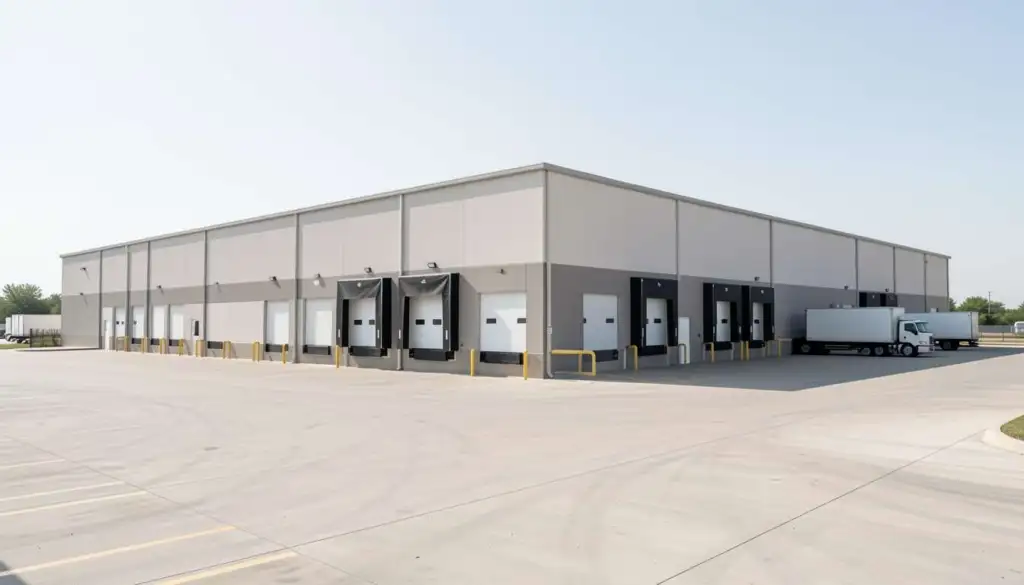
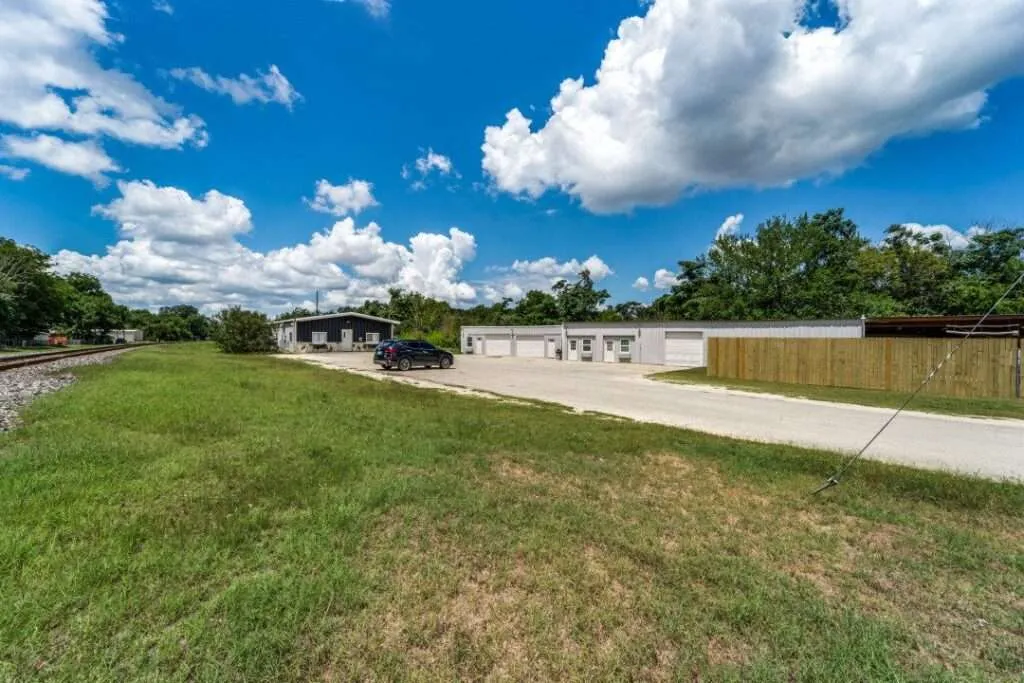
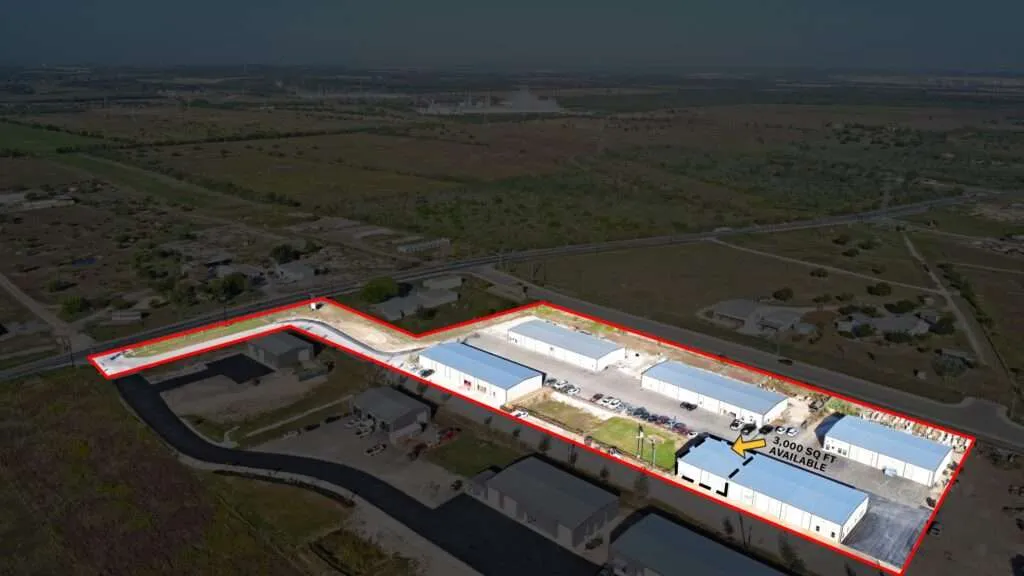
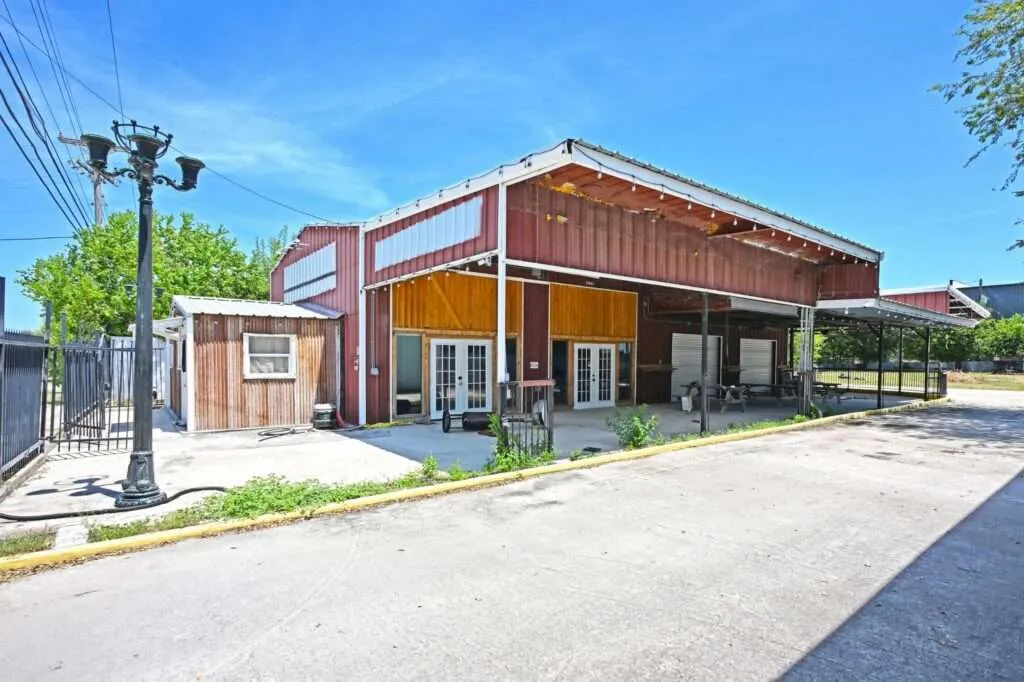
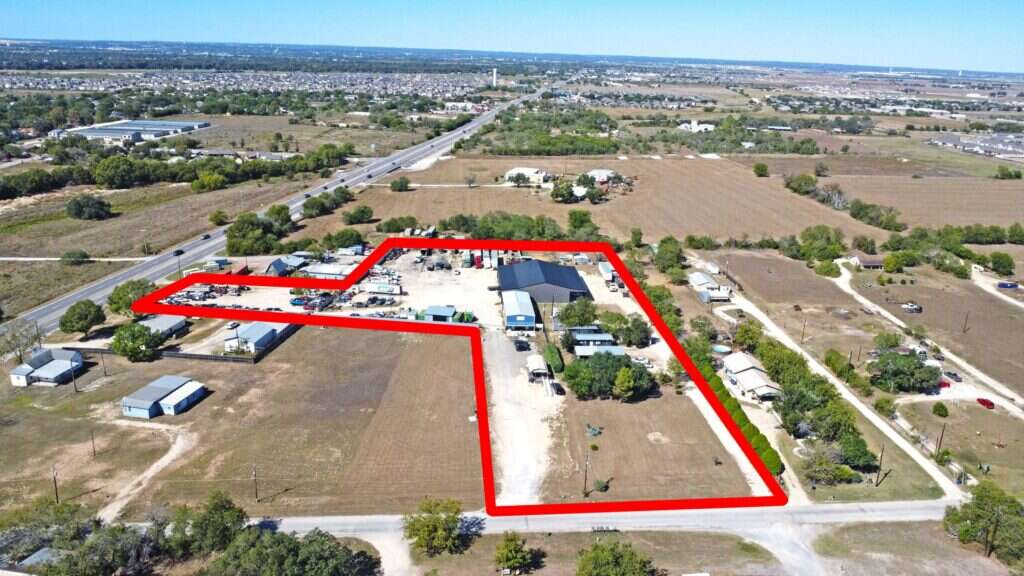
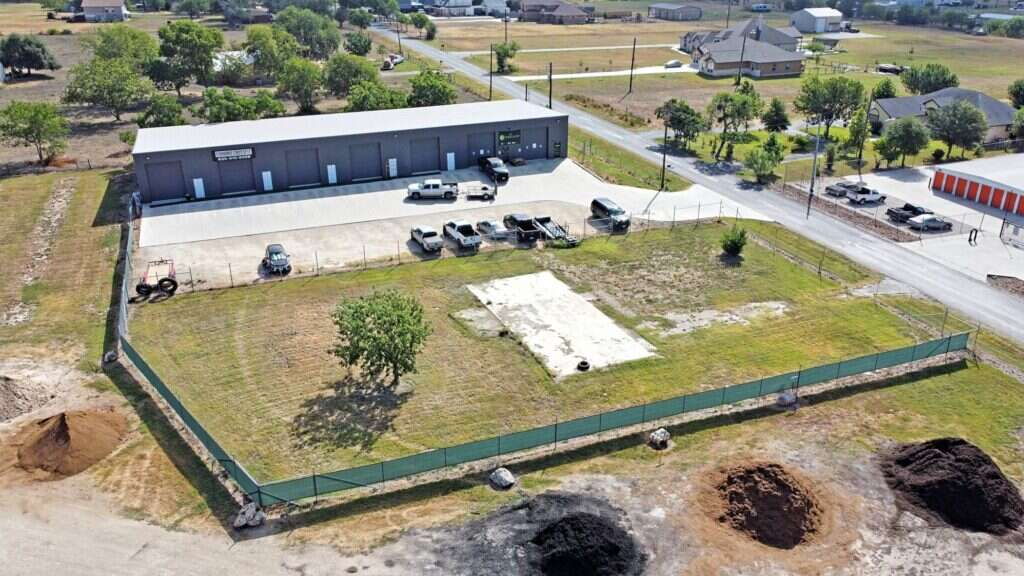
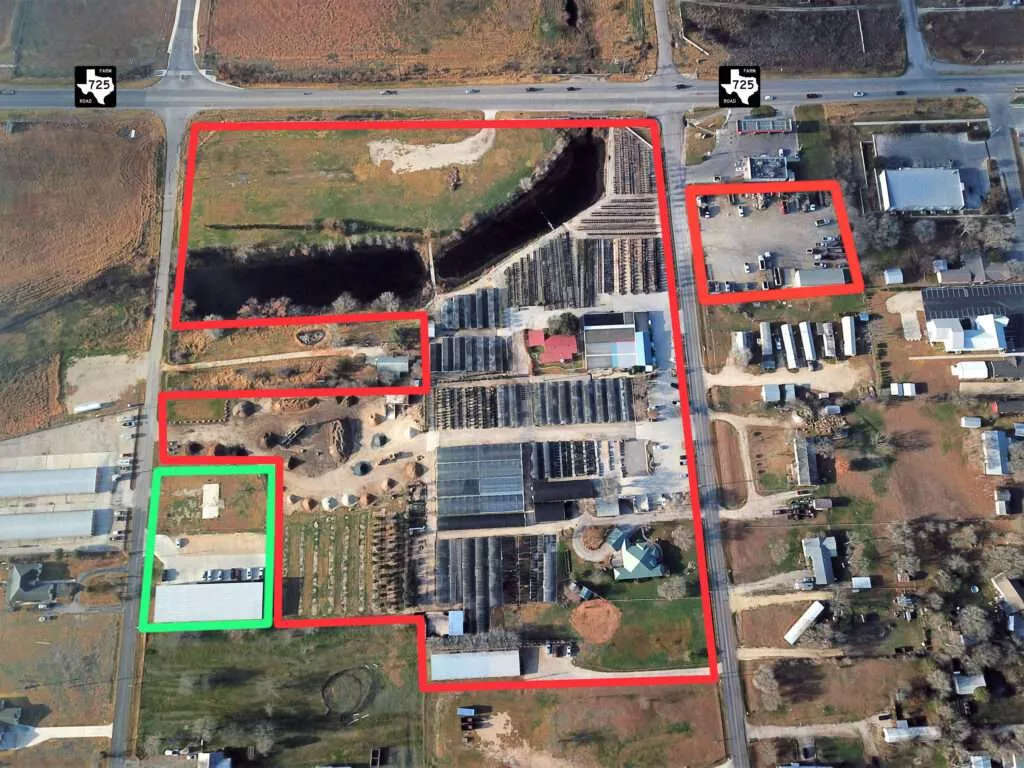
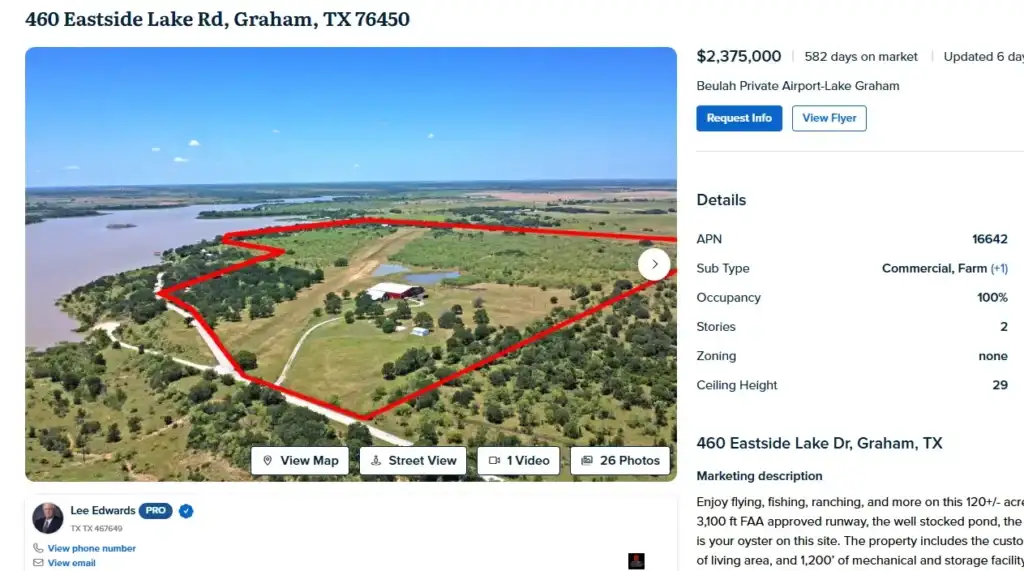
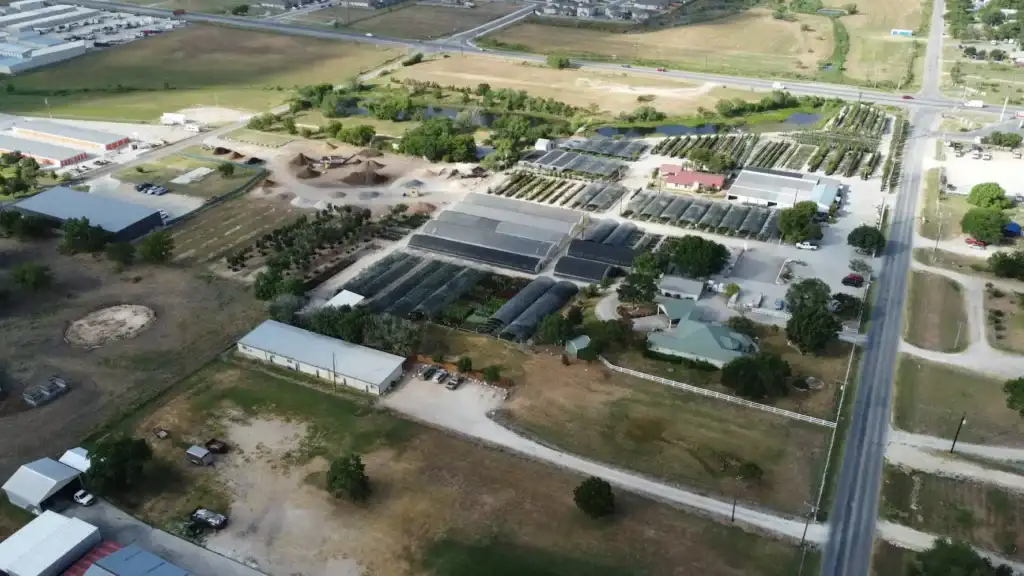
Industrial commercial real estate in New Braunfels & Central Texas

Industrial Property Subtypes

The industrial sector encompasses a wide range of facility types, each engineered to support distinct operational requirements. Identifying the right classification involves matching the building’s physical capabilities with how goods and materials actually move through a business. A facility built for regional distribution functions entirely differently than a site designed to store heavy construction equipment outdoors.

Zoning restrictions and utility infrastructure dictate where these specific operations can locate within a municipality. A site might feature the physical footprint for heavy manufacturing but lack the required electrical capacity or wastewater permitting to support the use. We evaluate these structural and municipal constraints up front, confirming that a property can legally and physically accommodate the intended operation before anyone drafts a contract.

Warehouse / Distribution

Facilities built to store goods and move them efficiently to their final destinations. These structures prioritize clear height, extensive dock doors, and deep truck courts for turning full-size tractor-trailers. The layout focuses on maximizing cubic storage capacity and streamlining the loading process.

Manufacturing

Buildings engineered to house production lines, fabrication equipment, and assembly operations. These sites require heavy power infrastructure, specialized ventilation, and reinforced floors to support heavy machinery. The layout often includes dedicated areas for raw material intake and finished product staging.

Flex Space

Hybrid properties that combine a front office or showroom with a rear warehouse component. This configuration serves businesses that need administrative space attached directly to their storage or light assembly operations. The design allows companies to consolidate their entire operation under a single roof.

Cold Storage

Specialized facilities equipped with industrial refrigeration systems to store perishable goods. These buildings feature insulated panels, specialized dock seals, and redundant power supplies to maintain strict temperature controls. The infrastructure requires significant capital investment and commands distinct lease structures.

Truck Terminal / Cross Dock

Transit hubs designed specifically for transferring cargo between vehicles rather than long-term storage. These long, narrow buildings feature dock doors on both sides, allowing freight to move directly from inbound trailers to outbound delivery trucks. The site plan dedicates the vast majority of the acreage to truck maneuvering and trailer parking.

Industrial Outdoor Storage (IOS)

Properties where the primary value lies in the secured, stabilized land rather than the physical structures. These sites serve equipment rental companies, fleet parking operations, and building material suppliers who need extensive exterior storage. The critical factors include zoning permissions, security fencing, and the quality of the surface grading.

Data Center

Highly specialized facilities built to house computer systems, servers, and telecommunications equipment. These structures prioritize massive electrical capacity, advanced cooling systems, and multiple layers of physical security. The infrastructure demands redundant power grids and fiber optic connectivity to ensure uninterrupted operations.

Office Showroom

Single-story buildings dedicating a significant portion of their footprint to displaying products, with supplementary storage in the rear. These properties typically locate along higher-traffic corridors to attract wholesale buyers or direct consumers. The layout balances public-facing display areas with functional inventory management space.

Who Transacts in Industrial Real Estate

The industrial market attracts a diverse pool of participants, from regional business owners securing their own operating space to institutional funds acquiring national distribution portfolios. Each participant approaches the market with distinct goals, whether prioritizing yield, operational control, or geographic expansion. The structure of the transaction shifts entirely depending on whether the primary objective is housing a business or generating passive income.

At Edwards Commercial Real Estate, we work with owners, investors, and tenants across the Central Texas market to structure deals that align with their specific financial and operational targets. By analyzing comparable lease rates, verifying tenant credit histories, and walking the physical structures, we map out the real risks and opportunities in a given property. We help clients understand the local supply pipeline and how incoming developments might impact their future property values or lease negotiations.

Owner-Occupants

Business owners purchasing their own warehouse or manufacturing space to control their overhead and build equity. They prioritize physical layout, power capacity, and location relative to their workforce and customer base. Owning the facility protects their operation from future rent increases and forced relocations.

Value-Add Investors

Buyers targeting older, previous-cycle industrial buildings that suffer from deferred maintenance or below-market rents. They acquire these properties to execute strategic upgrades, improve the management, and bring the lease rates up to current market standards. The strategy relies on identifying functional buildings in strong submarkets that just need fresh capital.

Logistics and Distribution Tenants

Companies leasing space specifically to manage inventory and fulfill orders across the region. They evaluate properties based almost entirely on truck access, clear height for racking, and proximity to major highway corridors. The right facility allows them to streamline their supply chain and reduce transportation costs.

First-Time Commercial Buyers

Business operators or residential investors moving into the industrial asset class for the first time. They require clear guidance on triple-net lease structures, environmental assessments, and the specific due diligence required for commercial buildings. We help them navigate the transition and establish realistic underwriting assumptions.

Institutional and Fund Buyers

Large-scale investors acquiring stabilized industrial assets for long-term cash flow and portfolio diversification. They target modern facilities occupied by credit-rated tenants on extended lease terms. Their focus centers on macroeconomic drivers, regional population growth, and the reliability of the income stream.

Industrial Frequently Asked Questions

Frequently Asked Questions About Industrial Property

Navigating industrial real estate requires understanding the specific metrics, lease structures, and physical requirements that govern the sector. The questions we hear most often center around evaluating space utility, understanding tenant responsibilities, and comparing different classes of commercial property.

We provide straightforward answers based on our daily work in the Austin-San Antonio IH35 Corridor. Whether you are analyzing a triple-net lease or determining how much clear height your racking system requires, we bring the street-level data you need to make an informed decision. The details matter, and we make sure you have the full picture before moving forward.

Industrial property serves the backend supply chain and production needs of a business, while retail property is designed for direct consumer sales. Industrial buildings prioritize truck access, power capacity, and storage volume over visibility and foot traffic. Retail spaces require higher finish levels, extensive parking for customers, and prime locations along major thoroughfares.

Clear height is the usable vertical space inside a building, measured from the floor to the lowest hanging obstacle like a sprinkler head or roof joist. It dictates how high a tenant can safely stack pallets or install racking systems. A higher clear height allows a business to store more inventory in the same square footage, directly impacting the operational value of the space.

In a triple-net lease, the tenant pays the base rent plus their proportional share of the property taxes, building insurance, and common area maintenance. This structure shifts the variable operating expenses away from the landlord and onto the business occupying the space. Tenants must account for these additional costs when calculating their total monthly real estate obligations.

Proper truck access requires evaluating the depth of the truck court, the turning radius available, and the type of dock doors installed. Full-size tractor-trailers need sufficient room to maneuver, back in, and pull out without disrupting other operations or blocking traffic. A building with excellent interior specifications loses its value if delivery vehicles cannot efficiently access the loading areas.

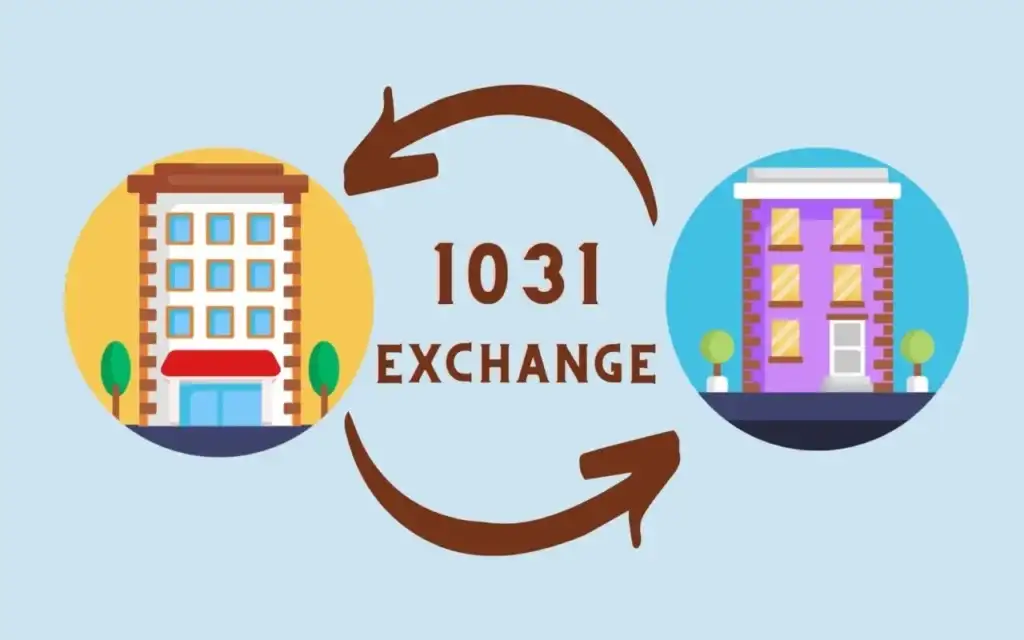
A tax-deferred exchange allows an investor to sell an industrial property and defer the capital gains taxes by reinvesting the proceeds into another qualifying commercial asset. The process runs on strict statutory deadlines that begin the day the initial sale closes, and missing any milestone invalidates the exchange. A qualified tax advisor can evaluate how this mechanism applies to your specific financial situation.

An environmental site assessment is a historical and physical review of a property to identify potential contamination risks. Lenders typically require this assessment before financing an industrial purchase to protect the buyer from acquiring hidden liabilities. If the initial review flags an issue, secondary assessments involve actual soil and groundwater testing.

Manufacturing operations rely on heavy machinery that draws significantly more electricity than standard warehouse lighting and office equipment. Upgrading a building’s electrical service is a major capital expense and sometimes impossible depending on the municipal grid infrastructure. Verifying the existing power feeds and panel capacities up front ensures the building can actually run the intended production lines.

Industrial valuation relies heavily on the income approach, evaluating the rent the property currently generates or could generate against comparable market leases. Appraisers also consider the replacement cost of the structure and the recent sale prices of similar facilities in the same submarket. The quality of the tenant, the length of the lease, and the physical specifications of the building all drive the final calculation.

Stay informed

Subscribe to Our Newsletter

Market insights, new listings and development updates for commercial investors in the New Braunfels–Seguin–San Marcos growth corridor, delivered to your inbox.

Sidebar Subscription Form (#10)

Looking for a Industrial property?

Get Started With Your Tailored New Braunfels & Central Texas Commercial Property Search

Chat with our property search below. Tell us what you need and we will point you to the right listings.

Schedule A Complimentary Phone Consultation

Let’s connect for a free one-on-one phone call. Tell us what you own or what you need, and we will tell you what we see.

Schedule a call

Edwards Commercial Real Estate's New Braunfels & Central Texas Commercial Real Estate Blog

Expert Resources for Commercial Real Estate Success

Insights, market trends and practical tips for buying, selling or leasing commercial property.

View all articles

Talk to us

We Would Love To Hear From You

Whether you have questions about commercial real estate, need advice on a property, or want to talk about a sale or lease, fill out the form and we will get back to you.

830-620-7653

[email protected]

General Contact Form