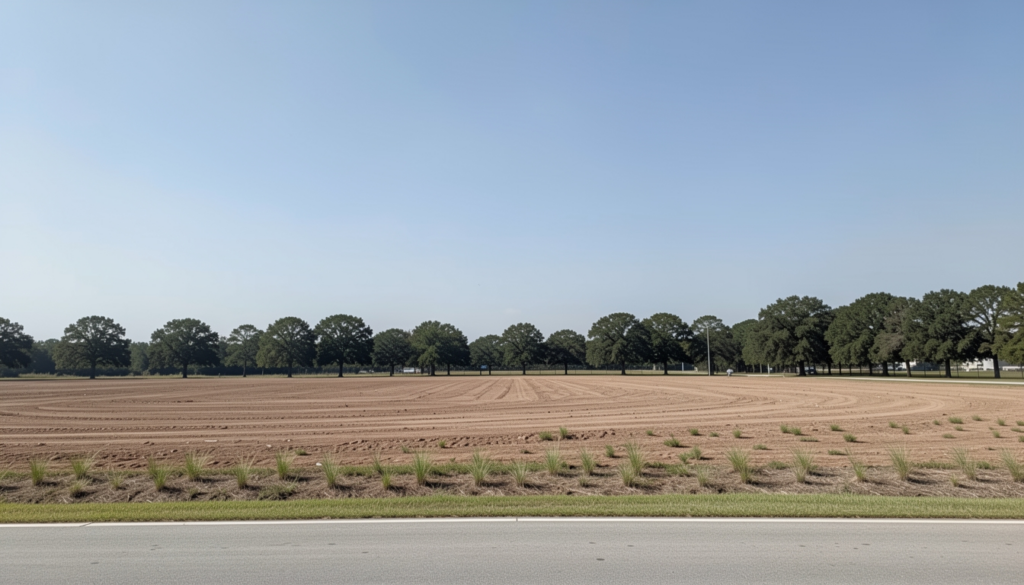
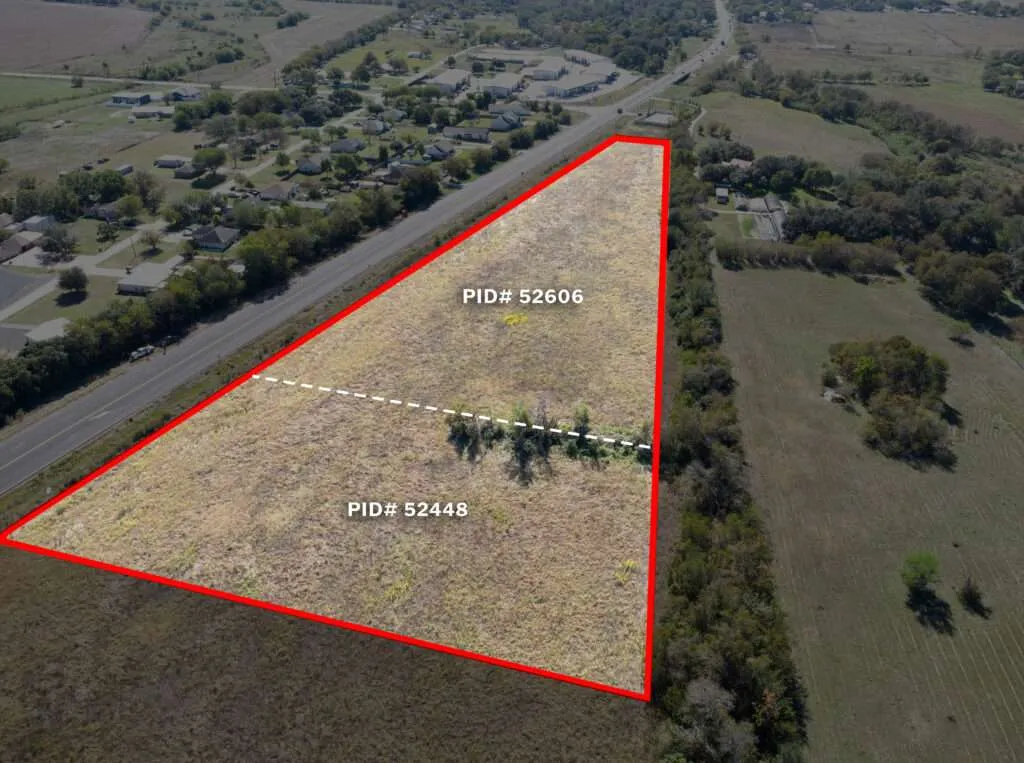
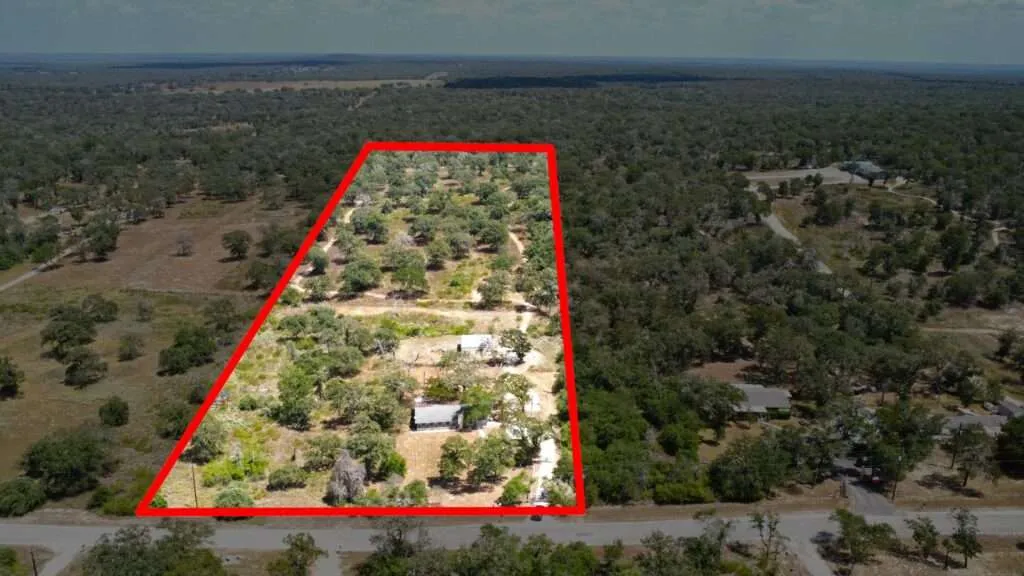
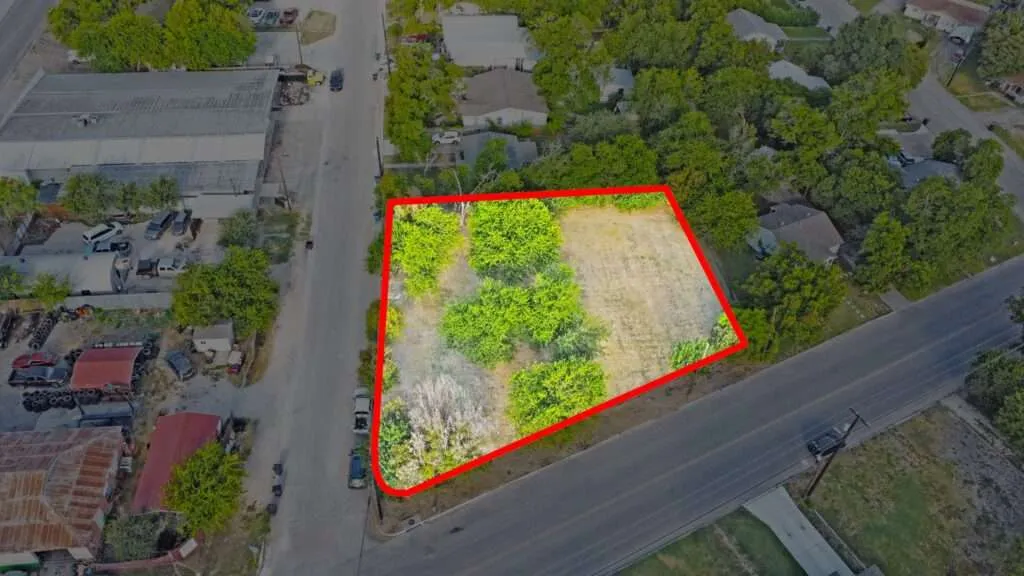
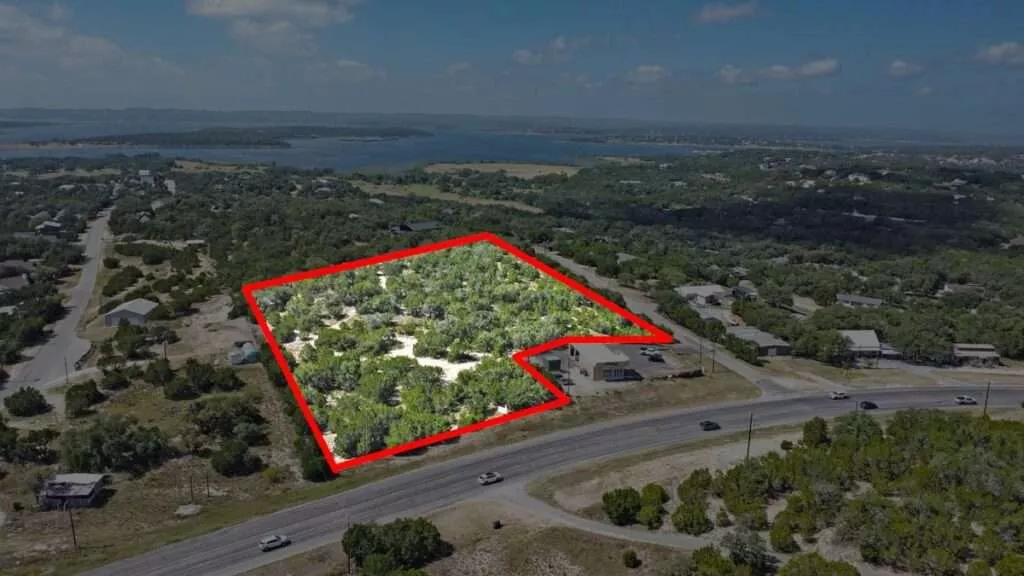
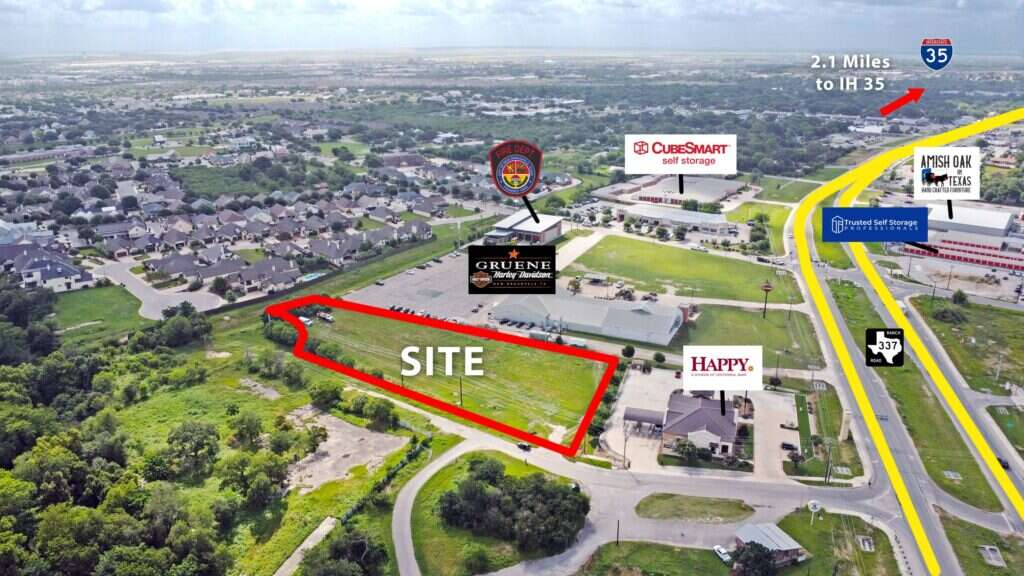
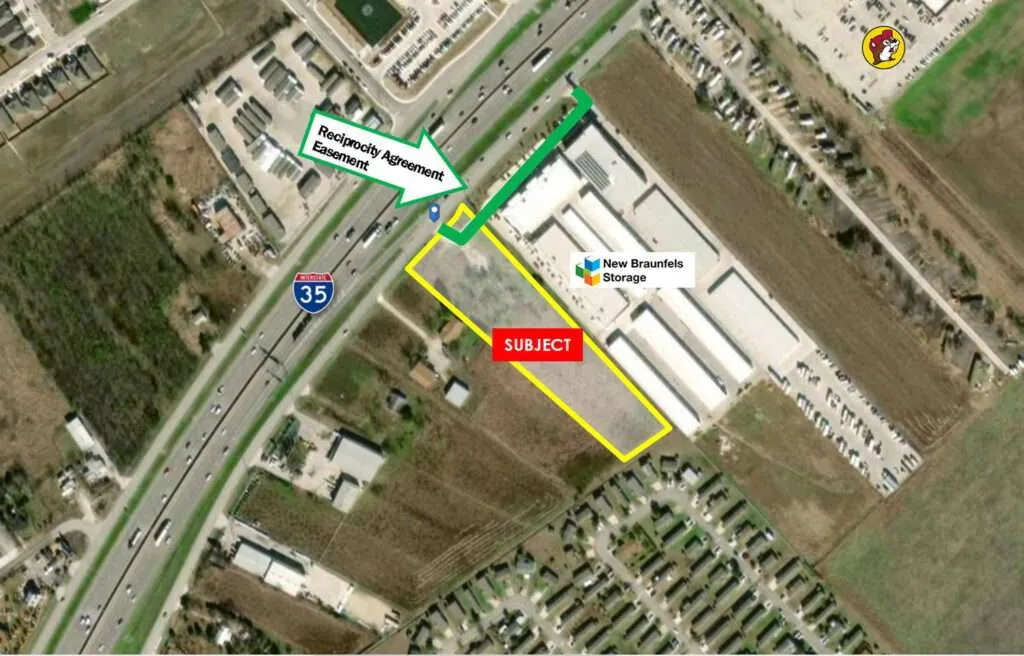
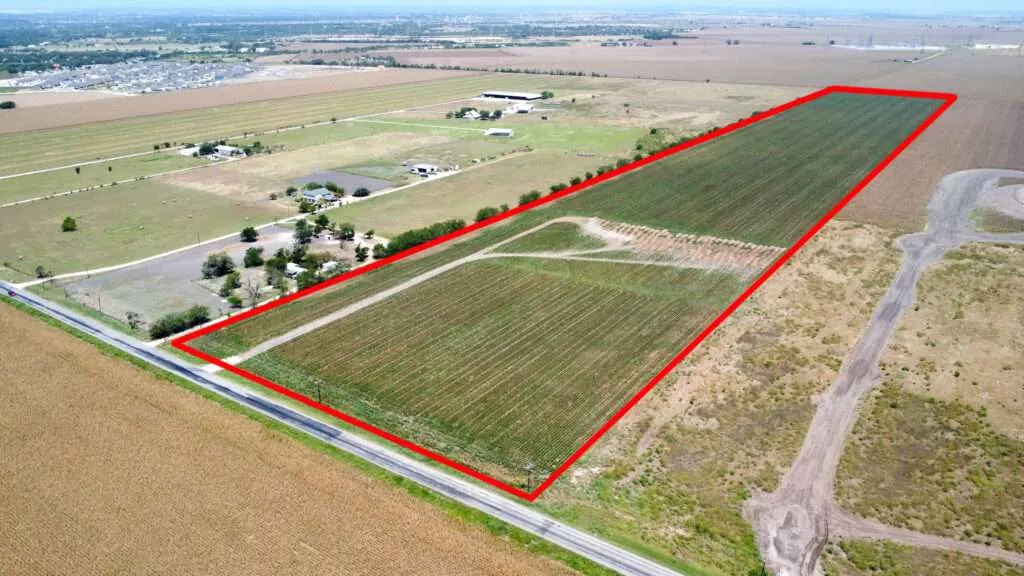
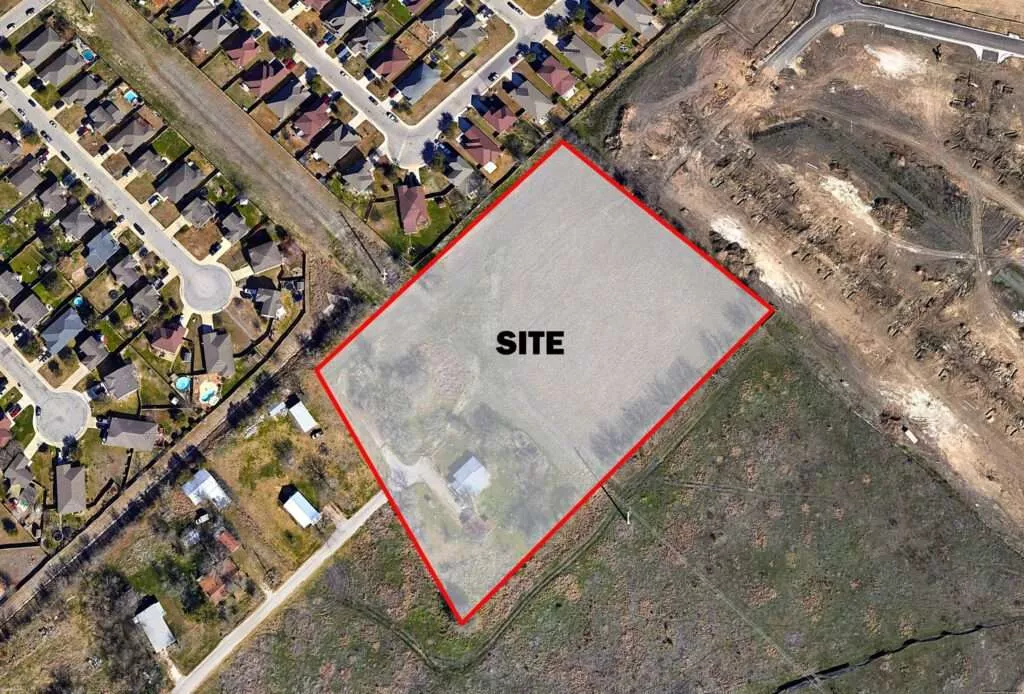
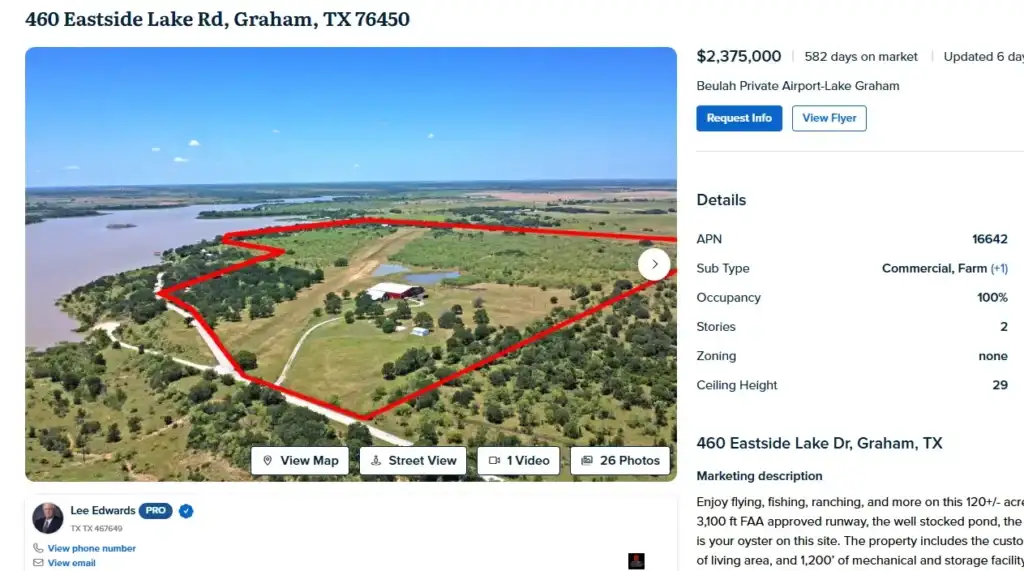
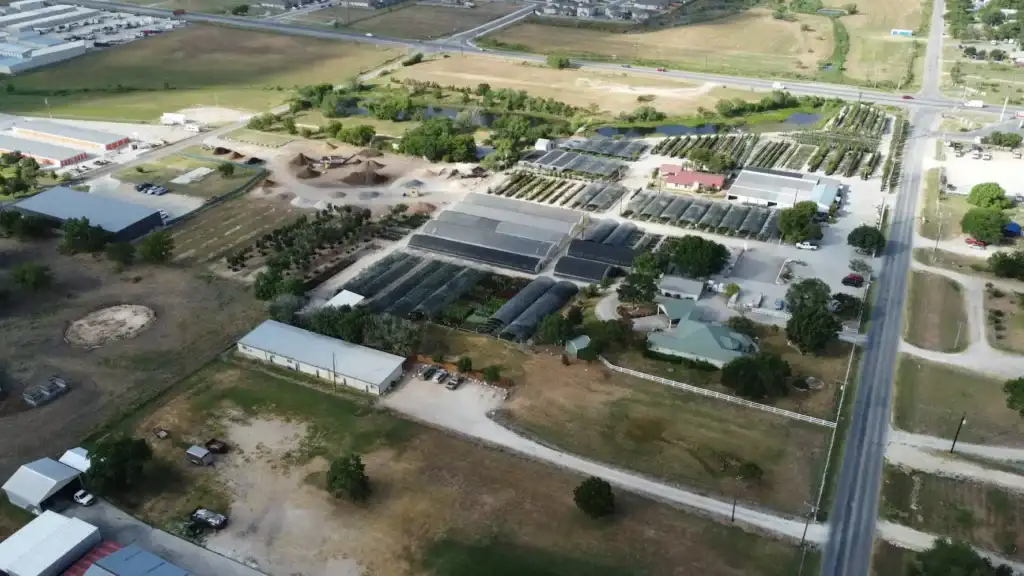
Commercial land is undeveloped or cleared real property intended for commercial, industrial, residential, or agricultural use rather than immediate owner-occupancy. The value of a land parcel depends entirely on its highest and best use, which is governed by local zoning codes, topography, and access to municipal infrastructure. Investors and developers evaluate these sites based on what can legally and physically be built on them, factoring in the cost to bring water, sewer, and electricity to the property line. The timeline from acquisition to vertical construction often spans years, making carry costs and entitlement risks the central variables in any land transaction.
Transactions in this asset class involve a distinct set of participants, including long-term hold investors, regional homebuilders, commercial developers, and agricultural operators. The transfer of land requires extensive due diligence into environmental conditions, soil stability, flood plains, and existing easements that might restrict future development. Because raw land generates no income while being held, financing structures differ significantly from improved commercial properties, often requiring higher equity contributions. The market for these parcels moves based on population shifts, the expansion of regional infrastructure like highways, and the availability of utilities in expanding submarkets.