Opens in a new tab
Schedule Call

Central Texas Mixed-Use

Mixed-Use Investment Properties in New Braunfels & Central Texas

Buying, selling, or leasing mixed-use space in Central Texas comes down to understanding how different operations share the same footprint without getting in each other’s way. We evaluate these properties across New Braunfels, San Marcos, and Schertz, looking at how parking, utilities, and foot traffic actually function for both commercial and residential tenants. Whether you are structuring a multi-tenant lease or acquiring a retail-over-office asset, we read the rent rolls and site plans to show you what the investment really looks like. Tell us what you want to achieve, and we will break down the options that fit your strategy.

Discuss Your Mixed-Use Strategy

Definition

What Defines Mixed-Use Real Estate

Mixed-use property is commercial real estate that combines two or more revenue-generating uses—typically retail, office, or residential—within a single building or development site. These assets are structured so that different tenant types support one another, turning daytime office workers into lunchtime retail customers and evening residents into weekend shoppers. The physical layout demands distinct entrances, separated utility metering, and carefully allocated parking to keep the different uses from disrupting each other.

The financial structure of these assets relies on diversifying income streams to protect the owner from a downturn in any single sector. Institutional investors and regional developers transact in this space to capture higher density and premium rents, while local operators often acquire smaller properties to house their own business on the ground floor while collecting rent from the units above. Managing the intersection of commercial leases and residential tenancy laws requires specific attention to how expenses are billed back to each user.

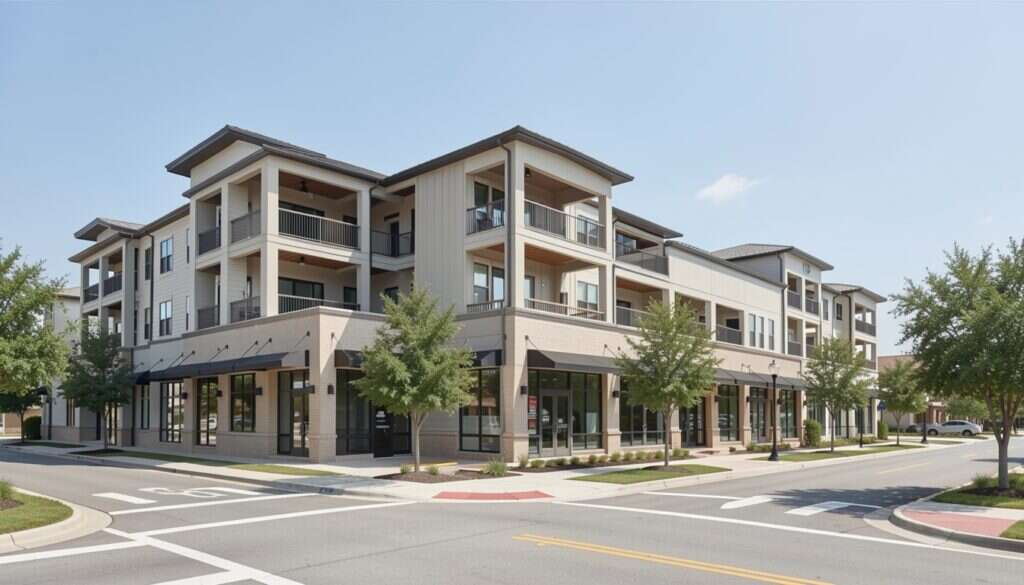
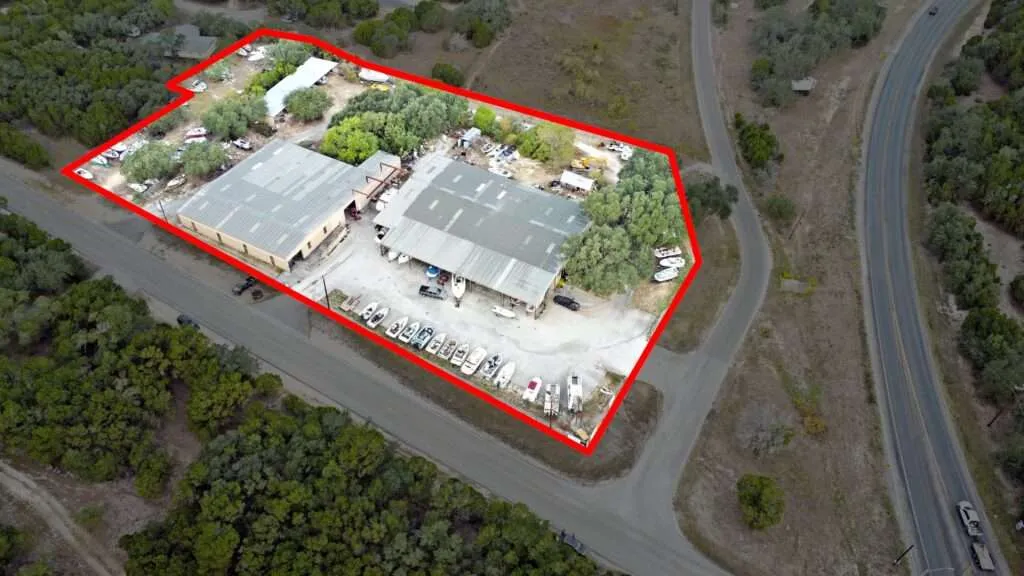
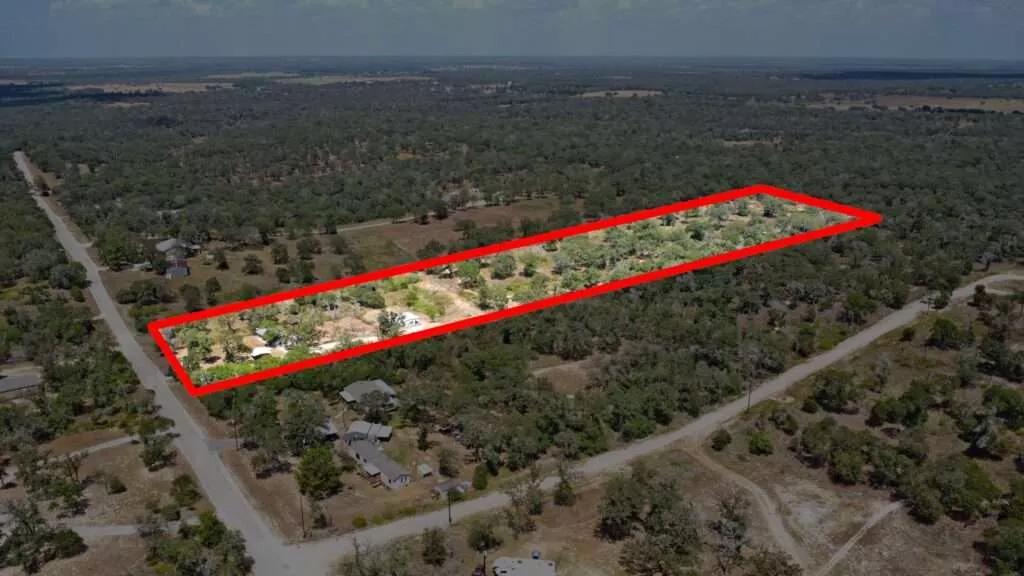
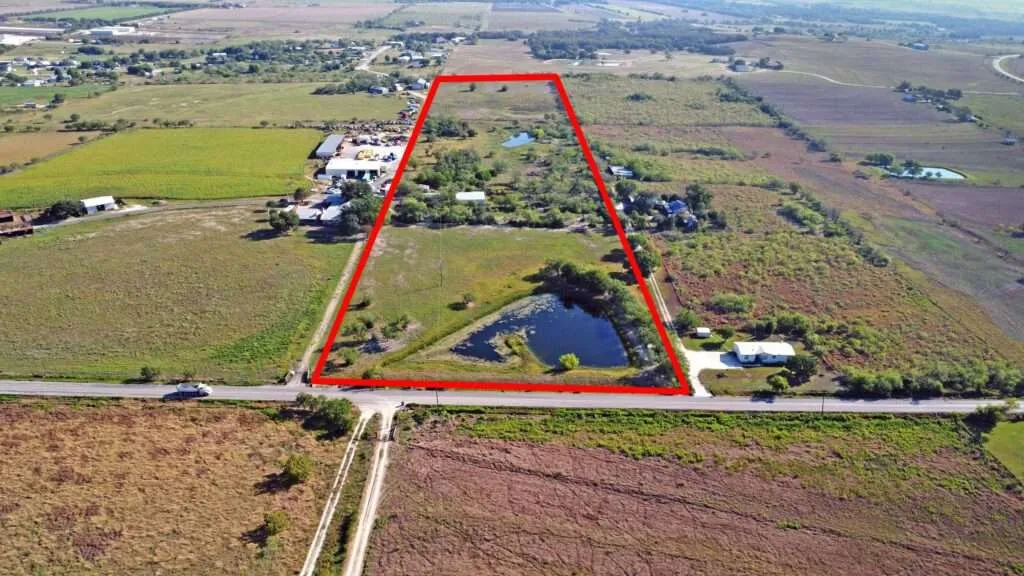
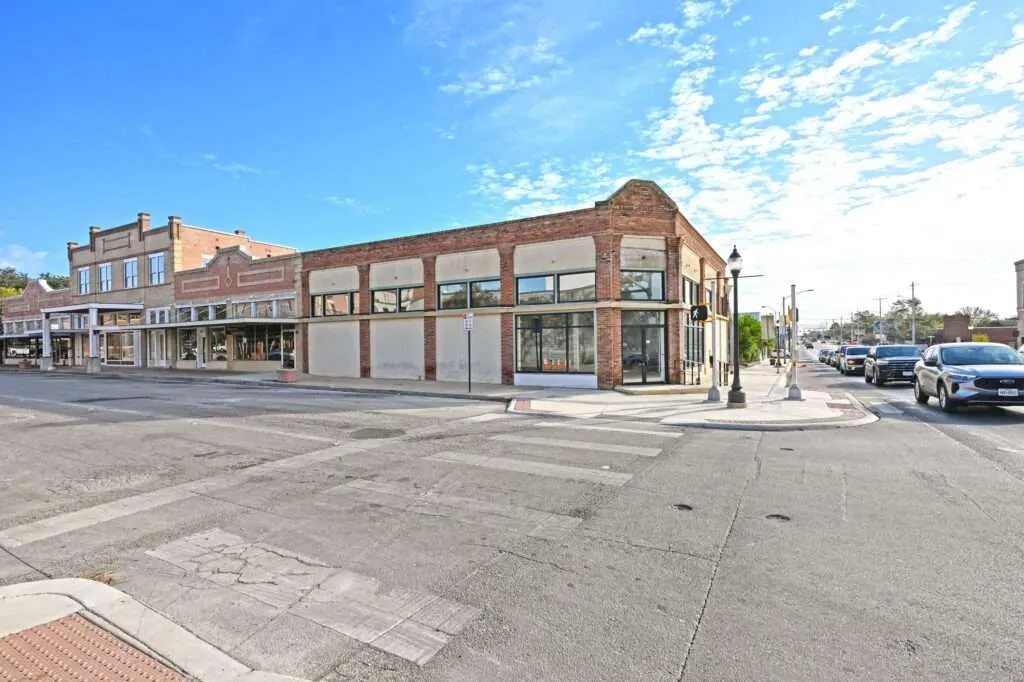
Mixed-Use commercial real estate in New Braunfels & Central Texas

Common Mixed-Use Configurations

Mixed-use real estate does not follow a single canonical subtype structure; instead, it takes shape through various physical configurations that blend commercial and residential functions. The right layout depends heavily on the local zoning code and the specific demands of the neighborhood. Evaluating these properties means looking at how the vertical or horizontal arrangement dictates construction costs and tenant access.

We spend our time walking these different configurations across the Austin – San Antonio IH35 Corridor, verifying how loading zones and customer parking actually work in practice. The physical separation of uses dictates the complexity of the management required. Below are the most common ways these assets are structured in the current market.

Residential Over Retail

The classic downtown model places street-level storefronts below apartment or condo units. This setup maximizes foot traffic for the commercial tenants while offering residents immediate access to dining and services. The primary challenge involves managing noise and shared parking.

Office Over Retail

Professional workspaces sit above ground-floor shops or restaurants, creating a daytime ecosystem where office employees support the retail tenants. These buildings often require specialized security and elevator access to keep the office floors private. Separating the utility usage between high-draw retail and standard office space is critical.

Live/Work Spaces

Small-scale units designed for a single occupant to run a business on the ground floor and live on the upper level. These are common for creative professionals, small agencies, and boutique retailers. They simplify the commute to zero while offering tax advantages for the owner-occupant.

Horizontal Mixed-Use

Instead of stacking uses vertically, this configuration spreads different property types across a single master-planned site. A development might feature a standalone office building next to a retail strip and an apartment complex, connected by shared parking and pedestrian paths. This approach lowers construction costs while still creating a cohesive neighborhood environment.

Hotel and Retail Blends

Hospitality assets integrated with street-facing retail or dining that serves both hotel guests and the general public. This structure requires complex shared-expense agreements for lobby maintenance and valet parking operations. Success depends on the retail tenants appealing to both travelers and local residents.

Who Transacts in Mixed-Use Properties

The audience for mixed-use assets ranges from institutional developers building horizontal campuses to local business owners acquiring a single storefront with an apartment above. Because these properties combine different asset classes, they attract investors looking to hedge their exposure across retail, office, and multifamily sectors. Tenants seek out these spaces for the built-in customer base and the neighborhood amenities.

At Edwards Commercial Real Estate, we help clients work through the specific demands of these multi-faceted properties. Whether you are an owner looking to restructure your commercial leases, or a first-time commercial buyer stepping up from residential rentals, we verify the rent rolls against the actual leases to ensure the income supports your strategy. We focus on the physical and financial realities of the building before anyone talks price.

Portfolio Diversifiers

Investors who want exposure to both commercial and residential real estate within a single transaction. Buying a mixed-use asset allows them to balance the long-term stability of apartment leases with the higher yields of commercial tenants. They rely on the varied income streams to protect against sector-specific downturns.

Owner-Occupants

Business owners who purchase a building to operate their retail or office operation on the main floor while leasing out the remaining units. This strategy turns their occupancy cost into an equity-building investment while generating supplemental income. The rental revenue helps offset their mortgage and property taxes.

High-Density Retail Tenants

Retailers and restaurants that lease ground-floor space specifically to capture the captive audience living or working in the floors above. They rely on the built-in foot traffic to drive a significant portion of their daily revenue. These operators prioritize locations with high residential occupancy.

Value-Add Operators

Buyers targeting older, unrenovated buildings where they can reposition the commercial space to attract higher-credit tenants while updating the residential units to market standards. They need advisors who can evaluate the cost of physically separating utilities. Their strategy hinges on improving the physical asset to increase overall collections.

First-Time Commercial Buyers

Investors moving up from residential rentals into their first commercial purchase. A building with apartments over a single retail space offers a familiar residential component while introducing them to commercial lease structures. They need guidance on how to underwrite the commercial tenant's business health.

Mixed-Use Frequently Asked Questions

Common Questions About Mixed-Use Real Estate

Operating and investing in mixed-use real estate introduces questions that single-use properties rarely face. From allocating shared maintenance costs to handling conflicting tenant operating hours, the intersection of residential and commercial uses requires clear lease structures. We field these questions daily from clients looking to understand how the mechanics of these properties actually work.

The answers always come down to the specifics of the building’s physical layout and its zoning allowances. We walk the mechanical rooms and review the expense ledgers to give our clients a realistic picture of what owning or leasing in a multi-use environment entails. Here are the most frequent questions we address.

A mixed-use property is any real estate asset that legally and physically combines at least two different revenue-generating uses.

The most common combinations blend retail, office, and residential space. To function correctly, the building must have zoning approval for all included uses and physical infrastructure that supports both commercial operations and residential living without conflict.

Buying mixed-use introduces commercial lease structures and business-specific zoning requirements that standard apartment buildings do not have.

While multifamily returns start with what the residential units collect, a mixed-use asset’s value often hinges on the creditworthiness and lease term of the ground-floor commercial tenant. You also have to evaluate how commercial foot traffic impacts the residential tenant experience.

Expenses are typically divided based on the square footage each tenant occupies, but commercial leases often pass through costs differently than residential ones.

A retail tenant might pay a pro-rata share of property taxes and insurance under a net lease, while the apartment tenants above pay a gross rent that includes those costs. We verify how the owner’s ledger actually separates and bills these shared expenses.

Utility separation is the critical physical factor that dictates how easily the building can be managed.

If the electricity and water are on master meters, the owner has to calculate and bill back usage to each tenant, which often leads to disputes. Buildings with individually metered spaces for every commercial and residential unit are significantly easier to operate and value.

Retailers choose these spaces to capture the immediate, built-in customer base living or working directly above them.

A fully occupied apartment tower provides a constant stream of daily foot traffic for a coffee shop or dry cleaner located in the lobby. This captive audience reduces the retailer’s reliance on external neighborhood traffic.

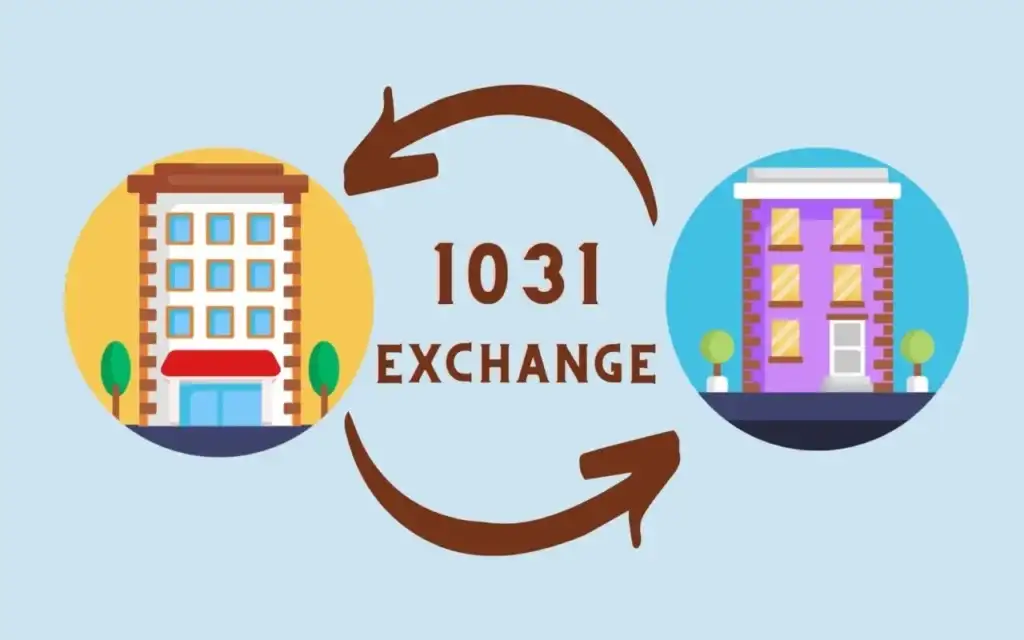
Selling a property with both commercial and residential components involves calculating depreciation recapture differently for each use type.

Because the IRS treats commercial and residential depreciation on different timelines, allocating the sale price correctly between the two uses is critical. A qualified tax advisor can evaluate how this applies to your specific situation before you close the sale.

Stay informed

Subscribe to Our Newsletter

Market insights, new listings and development updates for commercial investors in the New Braunfels–Seguin–San Marcos growth corridor, delivered to your inbox.

Sidebar Subscription Form (#10)

Looking for a Mixed-Use property?

Get Started With Your Tailored New Braunfels & Central Texas Commercial Property Search

Chat with our property search below. Tell us what you need and we will point you to the right listings.

Schedule A Complimentary Phone Consultation

Let’s connect for a free one-on-one phone call. Tell us what you own or what you need, and we will tell you what we see.

Schedule a call

Edwards Commercial Real Estate's New Braunfels & Central Texas Commercial Real Estate Blog

Expert Resources for Commercial Real Estate Success

Insights, market trends and practical tips for buying, selling or leasing commercial property.

View all articles

Talk to us

We Would Love To Hear From You

Whether you have questions about commercial real estate, need advice on a property, or want to talk about a sale or lease, fill out the form and we will get back to you.

830-620-7653

[email protected]

General Contact Form