Opens in a new tab
Schedule Call

Multifamily Real Estate

Multi-Family Investment Properties in New Braunfels & Central Texas

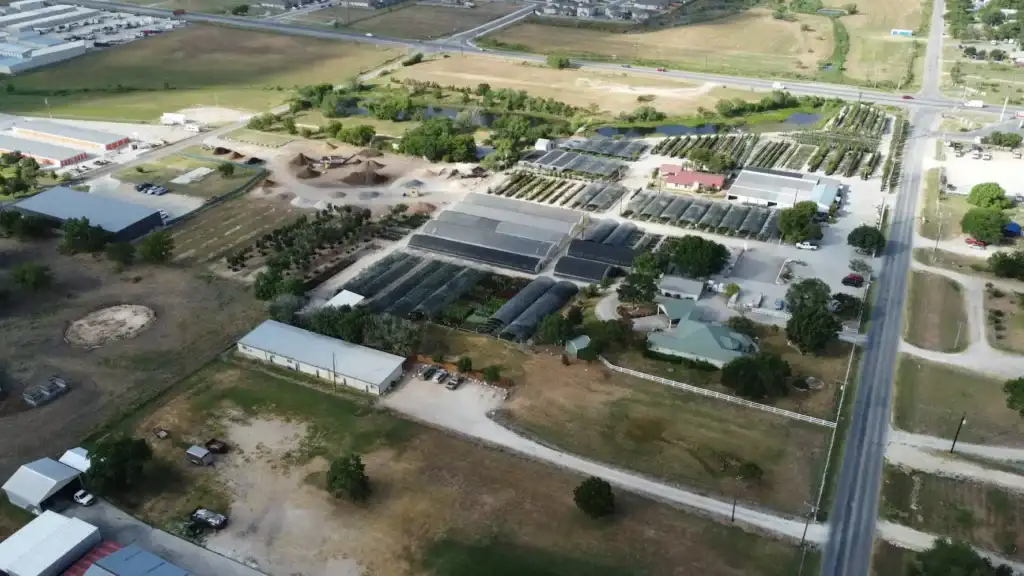
Buying or selling an apartment building along the Austin – San Antonio IH35 Corridor comes down to verifying what the units actually collect and how the operating expenses structure the net income. We evaluate multifamily deals from New Braunfels to San Marcos, reading the rent rolls against the leases themselves rather than relying on summary sheets. Whether you are acquiring your first complex, repositioning an older property, or deciding if continued ownership still fits your goals, we put our street-level market knowledge to work for your side of the table. Tell us what you want to achieve, and we will outline what your options really look like.

Discuss Your Multifamily Strategy

Definition

What Are Multifamily Properties?

Multifamily property is commercial real estate designed to house multiple separate households within a single building or complex, where the value is driven by the collective rental income. This category covers everything from a small four-unit building to a sprawling garden-style community or a vertical residential tower. The defining characteristic is scale: rather than relying on a single commercial tenant, the property generates revenue through dozens or hundreds of individual residential leases. The asset class attracts investors looking for cash flow and value-add opportunities, as well as operators who specialize in managing residential communities.

Structurally, these properties require a different approach to evaluation than a single-family home or a retail center. An owner evaluates what the tenants pay in rent, subtracts the costs to run the building—property taxes, insurance, maintenance, and management—and values the property based on what is left. Because residential leases typically turn over every year, the income adjusts to the market more frequently than in asset classes tied to long-term corporate leases. Understanding the relationship between unit mix, occupancy stability, and the cost of maintaining the physical structure is the baseline for transacting in this space.

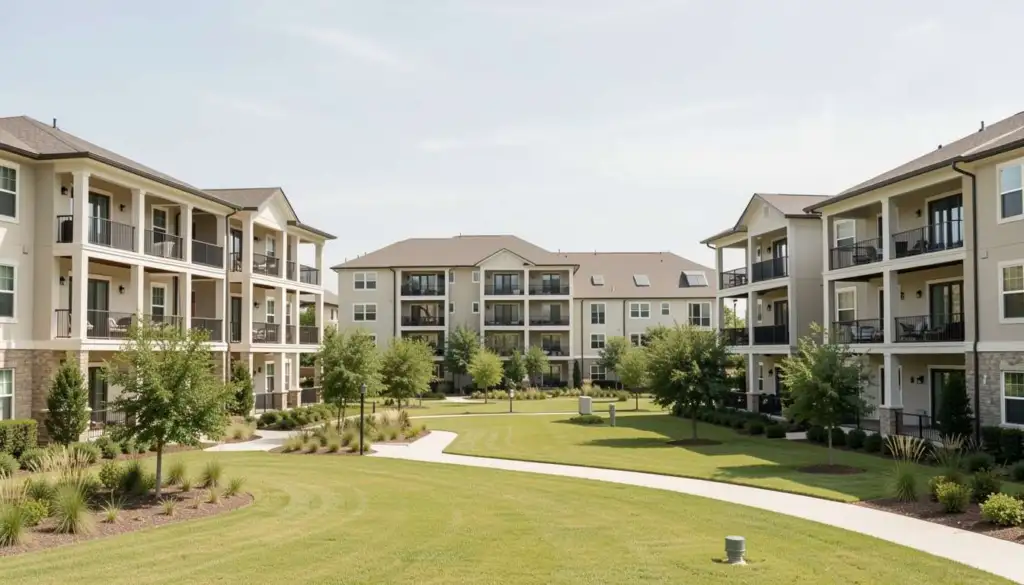
Multifamily commercial real estate in New Braunfels & Central Texas

Multifamily Property Subtypes

The multifamily market is divided into distinct categories based on construction style, density, and the operational model of the community. Each classification carries its own financial structure, maintenance requirements, and tenant base. From sprawling suburban layouts to specialized care facilities, the physical design dictates how the property operates and what it costs to manage.

We help investors and owners evaluate these properties based on how they actually run, not just how they look. A low-rise complex requires different roof and exterior maintenance than a mid-rise structure, while subsidized or specialized housing involves specific compliance and operational frameworks. The categories below represent the standard classifications you will encounter when evaluating multifamily real estate in Central Texas.

Garden / Low-Rise

Typically one to three stories tall, these properties are spread out over a larger footprint and often feature surface parking. The layout requires maintaining more roof area and exterior grounds per unit than vertical construction. They are common in suburban areas where land is less constrained, offering a balance of density and open space.

Mid-Rise

These buildings generally range from four to nine stories and incorporate elevators and shared interior hallways. They often feature structured parking rather than surface lots, maximizing the use of the site. The vertical construction introduces different mechanical systems and fire-safety requirements into the owner's maintenance obligations.

High-Rise

Buildings of ten stories or more, typically located in dense urban centers. These structures rely on heavy mechanical systems, complex elevator banks, and specialized exterior maintenance. The higher density allows for more units on a small footprint, but the operational costs and capital requirements are significantly higher than lower-density properties.

Student Housing

Designed specifically for college and university populations, these properties often lease by the bed rather than by the unit. The operational model involves high turnover, intensive property management, and specialized amenities. The leasing cycle is strictly tied to the academic calendar, requiring a precise timeline for marketing and unit turns.

Senior Living

Facilities built for older adults, ranging from independent living apartments to properties offering varying levels of daily assistance. The investment model combines real estate with a heavy operational and care-service component. The value relies as much on the quality of the service operator as it does on the physical building.

Affordable Housing / Section 8

Properties where rents are subsidized or restricted based on tenant income levels through government programs. These assets require strict adherence to regulatory compliance, specialized property management, and specific inspection standards. The trade-off for the compliance burden is typically a highly stable occupancy rate and consistent rent payments backed by the program.

Mobile Home Park

Communities where the owner leases the land pads to residents who own their individual manufactured homes. The owner maintains the underlying infrastructure, utilities, and common areas, while the residents maintain their structures. This model shifts the maintenance burden of the physical homes away from the property owner.

SFR Portfolio

A collection of single-family rental homes operated and managed as a single investment entity. While the structures are individual houses, aggregating them allows an investor to apply commercial financing and management scale. This approach requires a management system capable of handling maintenance across geographically dispersed properties.

Who Transacts in Multifamily Real Estate

Multifamily properties serve a wide range of investment strategies, from individuals acquiring their first commercial asset to institutional operators managing large portfolios. The common thread is a focus on residential rental income, but the operational approaches vary drastically. Some owners prefer turnkey properties that require minimal intervention, while others target older buildings that need physical improvements.

Since 2018, Edwards Commercial Real Estate has worked with owners and buyers to match the property to the strategy. We verify in-place rents against what comparable units actually lease for, ensuring the numbers make sense before a transaction moves forward. Whether you are looking to deploy capital or deciding if it is time to transition out of an asset, understanding your specific position is the first step.

First-Time Commercial Buyers

Investors moving from individual residential rentals into commercial multifamily properties. They are looking to scale their income through a single building rather than managing scattered houses. The priority is establishing reliable property management and ensuring the property's income covers the loan payment with room to spare.

Value-Add Operators

Buyers who target older, unrenovated buildings to improve and hold. They plan to update interiors, address deferred maintenance, and reposition the property to command market rents. They need an advisor who can accurately assess the physical condition and the true rental potential of the submarket.

Long-Term Hold Investors

Buyers focused on stable, ongoing cash flow rather than immediate property improvements. They typically target newer or previously renovated buildings with consistent occupancy histories. Their primary concern is the predictability of the income and the long-term durability of the structure.

Owners Weighing a Transition

Current landlords deciding whether continued management still fits their goals. They may be facing a cycle of capital repairs, a partnership change, or simply the fatigue of handling tenant turnover. They need a clear valuation of their property to decide whether to hold, refinance, or sell.

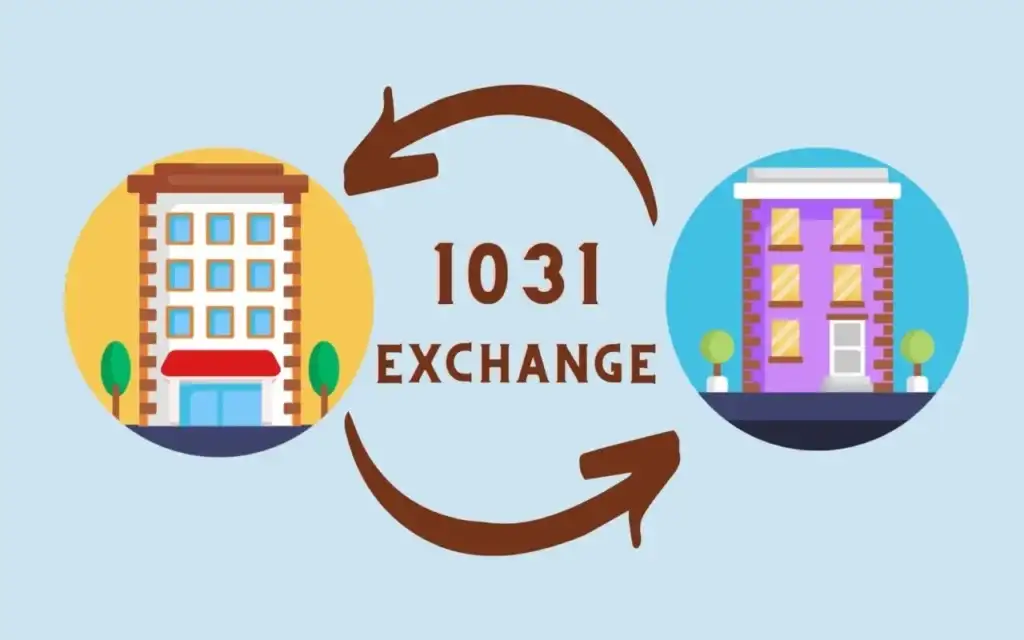
1031 Exchange Participants

Sellers looking to defer capital gains taxes by rolling the proceeds from one investment property into another. They operate on strict statutory deadlines that begin the moment their sale closes. They require an advisor who can identify replacement properties quickly and keep the transaction timeline on track.

Multifamily Frequently Asked Questions

Common Questions About Multifamily Real Estate

Navigating a multifamily transaction involves understanding how residential leases, building maintenance, and commercial financing intersect. Whether you are acquiring a complex or preparing one for sale, the details in the rent roll and the physical structure dictate the outcome.

Commercial Advisor David Ozuna and our team answer these questions daily for clients across New Braunfels and Central Texas. By walking the properties and analyzing the leases, we help you understand exactly what you are buying or selling. Below are the most common questions we hear regarding multifamily investments.

Multifamily properties rely on dozens or hundreds of short-term residential leases rather than a few long-term corporate leases. The income adjusts to the market more frequently because residential leases typically turn over every year. This requires more intensive day-to-day property management, but it also spreads the vacancy risk across a much larger tenant base.

The actual collected income is the foundation of any multifamily evaluation. A rent roll might show high potential rents, but the value depends on what tenants are reliably paying each month. We verify the leases, the collection history, and the operating expenses to confirm the property performs the way the summary sheet claims.

Property taxes are often the largest single operating expense for an apartment building, and a sale can trigger a reassessment of the property’s value. When the assessed value changes, the tax burden shifts, which directly impacts how much income is left to cover the loan. Buyers must underwrite the property based on what the taxes will be after closing, not what the previous owner paid.

A first-time buyer needs a management team that handles tenant placement, maintenance calls, and rent collection efficiently. The right manager protects the physical asset while keeping the units occupied with reliable tenants. We help buyers evaluate management options to ensure the property’s income stream remains stable after the purchase.

Yes, investors frequently use 1031 exchanges to transition into or out of multifamily assets while deferring capital gains taxes. The process runs on strict statutory deadlines that start the day your sale closes, and missing a deadline disqualifies the exchange entirely. A qualified tax advisor can evaluate how this applies to your situation and ensure the proper intermediaries are in place before you close.

Older buildings often present opportunities to improve the property and reposition it for better rents, but they carry higher risks of hidden maintenance issues. New construction offers predictable physical conditions and warranties, but typically comes at a premium price. The choice depends entirely on whether the buyer wants to take on a renovation project or simply collect stable rent.

Value-add refers to a strategy where an investor buys a property that needs physical updates or better management to reach its full earning potential. By renovating units, improving the exterior, or tightening operational inefficiencies, the owner can command higher rents. This approach requires capital reserves and a clear understanding of what comparable renovated units in the area actually lease for.

Owners typically consider selling when they are tired of managing the property, facing major capital repairs like a new roof, or restructuring a partnership. Sometimes the property has simply aged faster than its rents can support, making a transition the logical choice. We help owners value their asset based on current market conditions so they can decide if holding or selling makes the most sense.

Stay informed

Subscribe to Our Newsletter

Market insights, new listings and development updates for commercial investors in the New Braunfels–Seguin–San Marcos growth corridor, delivered to your inbox.

Sidebar Subscription Form (#10)

Looking for a Multifamily property?

Get Started With Your Tailored New Braunfels & Central Texas Commercial Property Search

Chat with our property search below. Tell us what you need and we will point you to the right listings.

Schedule A Complimentary Phone Consultation

Let’s connect for a free one-on-one phone call. Tell us what you own or what you need, and we will tell you what we see.

Schedule a call

Edwards Commercial Real Estate's New Braunfels & Central Texas Commercial Real Estate Blog

Expert Resources for Commercial Real Estate Success

Insights, market trends and practical tips for buying, selling or leasing commercial property.

View all articles

Talk to us

We Would Love To Hear From You

Whether you have questions about commercial real estate, need advice on a property, or want to talk about a sale or lease, fill out the form and we will get back to you.

830-620-7653

[email protected]

General Contact Form