
Office Building
Standard commercial structures designed for general administrative and professional use. These feature flexible layouts that accommodate single or multiple tenants and rely heavily on location and parking capacity.
Office Space & Investment
Buying, selling, or leasing office space in New Braunfels and Central Texas comes down to the details—parking capacity, build-out costs, and which submarket actually fits the way your business runs. We work office deals from San Marcos through Schertz and down to San Antonio, putting our street-level knowledge to work on your side of the table. Tell us what your operation or investment requires, and we will show you what your options really look like.
Definition
Office property is commercial real estate designed to accommodate administrative, professional, medical, and technical operations. These buildings range from single-story suburban facilities to multi-tenant mid-rise structures that house corporate headquarters and regional branches. The value of these properties rests on their location, their parking capacity, and how easily their interior layouts adapt to different ways of working. Investors and owner-occupants evaluate these assets based on the stability of the tenants, the length of the leases, and the condition of the physical plant.
The market divides these buildings into classifications based on age, amenities, and location, typically referred to as Class A, B, or C. Leases in this sector often require tenants to cover a portion of the building’s operating expenses, meaning the cost structure differs significantly from residential or industrial agreements. Transactions involve a mix of institutional buyers, private equity groups, local owner-operators, and businesses securing their own operational footprint. Understanding how much of the square footage a tenant actually uses versus what they pay for remains a central component of every lease and purchase agreement.
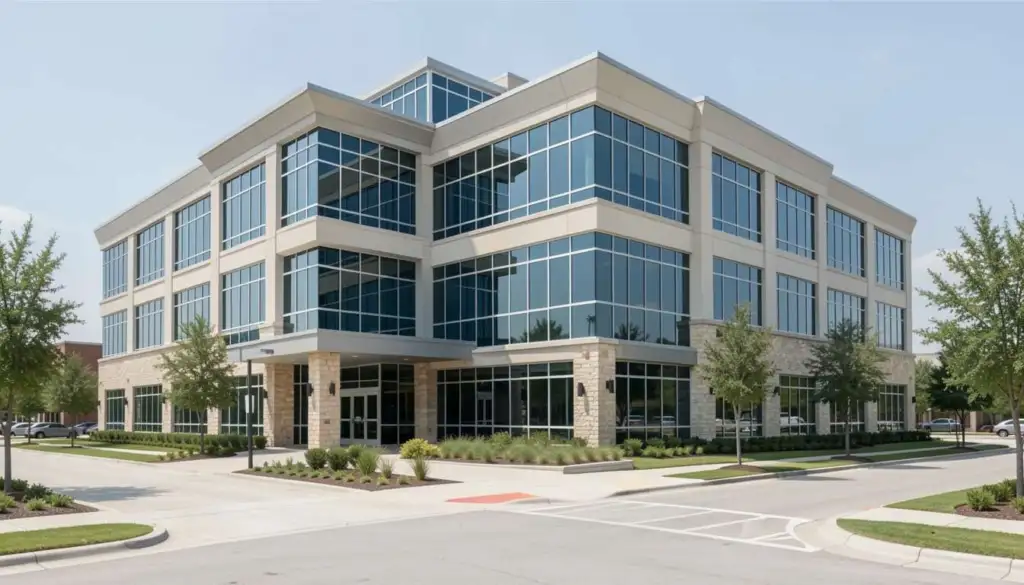
The office market contains distinct building styles built for specific operational needs. A clinical practice requires entirely different plumbing, power, and patient access than an accounting firm, just as a technology startup looks for different ceiling heights and layouts than a government agency. Matching the right operation to the right structural framework prevents costly retrofits and ensures the space functions correctly from day one.
At Edwards Commercial Real Estate, we evaluate how these different building structures perform across the Austin – San Antonio IH35 Corridor. We track which layouts hold their value, which configurations require heavy capital improvements, and how specific floor plans appeal to the current tenant pool. Understanding these structural categories helps buyers, sellers, and tenants narrow their focus to the properties that actually align with their goals.
Standard commercial structures designed for general administrative and professional use. These feature flexible layouts that accommodate single or multiple tenants and rely heavily on location and parking capacity.
Facilities built with specialized plumbing, heavy power capacity, and ADA access to support clinical practices and imaging centers. These buildings require landlords who understand the complexity of healthcare infrastructure.
Older or repurposed structures featuring exposed ceilings, natural light, and open floor plans. These designs appeal strongly to technology, design, and media firms looking for distinctive work environments.
Multi-tenant spaces where businesses rent individual private rooms while sharing reception areas, conference rooms, and break facilities. This model provides professional infrastructure for smaller operations.
Buildings structured to meet the specific security, access, and layout requirements of municipal, state, or federal agencies. These assets often feature long-term leases with highly stable occupants.
Hybrid properties combining front-of-house administrative space with attached storage or light industrial areas in the rear. These spaces serve distribution, contracting, and service-based businesses.
Large open-concept floors managed by a single operator who licenses desks and private areas to independent workers and small teams. These function on short-term agreements rather than traditional commercial leases.
Highly specialized facilities equipped with heavy ventilation, reinforced floors, and chemical-grade infrastructure. These buildings support research, development, and testing operations.
The office sector serves a wide range of market participants, from local businesses securing their first permanent location to regional investors building income portfolios. Each group approaches these buildings with a different primary objective—some prioritize cash flow and tenant credit, while others focus on commute times and employee retention. Identifying where you fit in the market determines which metrics matter most for your transaction.
We guide clients through these decisions across Comal County, Guadalupe County, and Bexar County. Whether you are acquiring a multi-tenant building for long-term yield or leasing a suite for your growing practice, we align the search and the negotiation with your specific operational reality. We confirm the numbers against actual market comparables before anyone signs a contract.
Businesses purchasing a building to house their own operations rather than paying rent to a third party. These buyers focus on fixed occupancy costs, tax depreciation benefits, and securing a location that serves their workforce.
Buyers acquiring older, unrenovated office properties with the intent to upgrade the common areas, modernize the systems, and reposition the asset. Their strategy relies on lifting in-place rents closer to current market rates after improvements are complete.
Growing operations moving out of home offices or coworking spaces into their first dedicated commercial lease. They need clear guidance on how operating expenses work and how much of the space they pay for is actually usable.
Landlords holding properties with several distinct suites and a staggered rent roll. Their primary focus is maintaining occupancy, structuring leases that protect against rising operating costs, and securing corporate guaranties from reliable tenants.
Healthcare providers requiring heavy build-outs, patient parking, and specific zoning. They look for long-term stability and spaces where the landlord understands the cost and complexity of medical infrastructure.
Office Frequently Asked Questions
Navigating an office transaction requires clarity on how these spaces are measured, priced, and maintained. The transition from residential or industrial real estate into the office sector introduces new lease structures and valuation models that directly impact your bottom line. Addressing these structural differences early prevents miscalculations during underwriting or lease negotiations.
Our team fields these questions daily from clients looking at properties in Buda, Kyle, and Cibolo. We break down the mechanics of tenant improvement allowances, operating expense pass-throughs, and zoning requirements so you can make decisions based on facts rather than assumptions. The answers below cover the foundational concepts every office participant should understand.
The main difference lies in how the space generates revenue and who visits it. Office space is designed for employees to conduct administrative or professional work, while retail space is built to attract and serve walk-in consumer traffic. Retail properties prioritize high-visibility frontage and monument signage, whereas office buildings focus on parking capacity, commute access, and interior layout flexibility.
Office rent is generally calculated on an annual price per square foot, paid in monthly installments. Landlords measure the total rentable area, which includes the tenant’s private suite plus a proportional share of common areas like lobbies, restrooms, and hallways. You will pay rent on this total number, even though the space your team actually occupies is smaller.
A tenant improvement allowance is a sum of money the landlord provides to help customize the interior space for your business. This fund typically covers hard costs like framing new walls, installing doors, and running electrical wiring. Landlords usually offer higher allowances in exchange for longer lease terms and stronger corporate guaranties.
A Full Service Gross lease means the landlord pays all the building’s operating expenses, including property taxes, insurance, maintenance, and utilities, out of your base rent. This structure provides tenants with a highly predictable monthly cost because the rate remains flat for the year. However, these leases often include terms that make the tenant responsible for any operating cost increases that occur after their first year of occupancy.
Parking ratios dictate how many vehicles a property can accommodate relative to its building size, directly determining how many employees can work there. A standard ratio might provide three or four spaces for every thousand square feet of leased area. Medical practices and call centers require significantly higher parking capacity than standard administrative users, making the ratio a critical factor in whether a building suits an operation.
Office classifications reflect the building’s age, location, amenities, and overall quality. Class A buildings are the newest or most heavily renovated properties in prime locations, commanding the highest rents. Class B properties are generally older but well-maintained, offering functional space at a moderate price, while Class C buildings are older structures in less desirable areas that often require significant upgrades.
Stay informed
Market insights, new listings and development updates for commercial investors in the New Braunfels–Seguin–San Marcos growth corridor, delivered to your inbox.
Looking for a Office property?
Chat with our property search below. Tell us what you need and we will point you to the right listings.
Office listings
Office properties available now in New Braunfels & Central Texas.
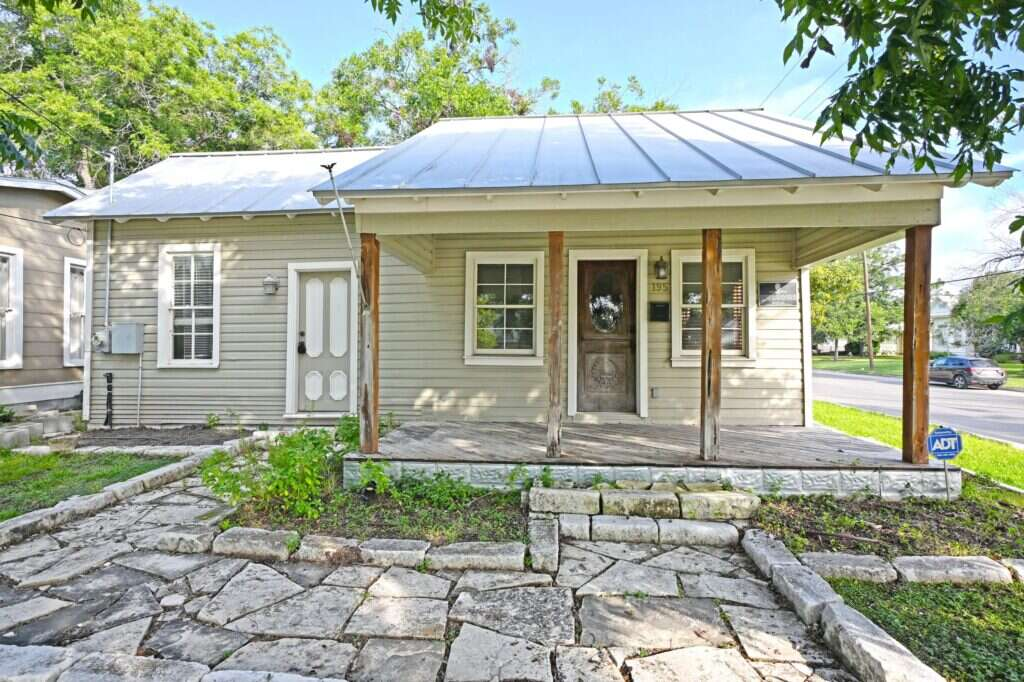
New Braunfels, TX · Office
Lease rate $2,500 /MO
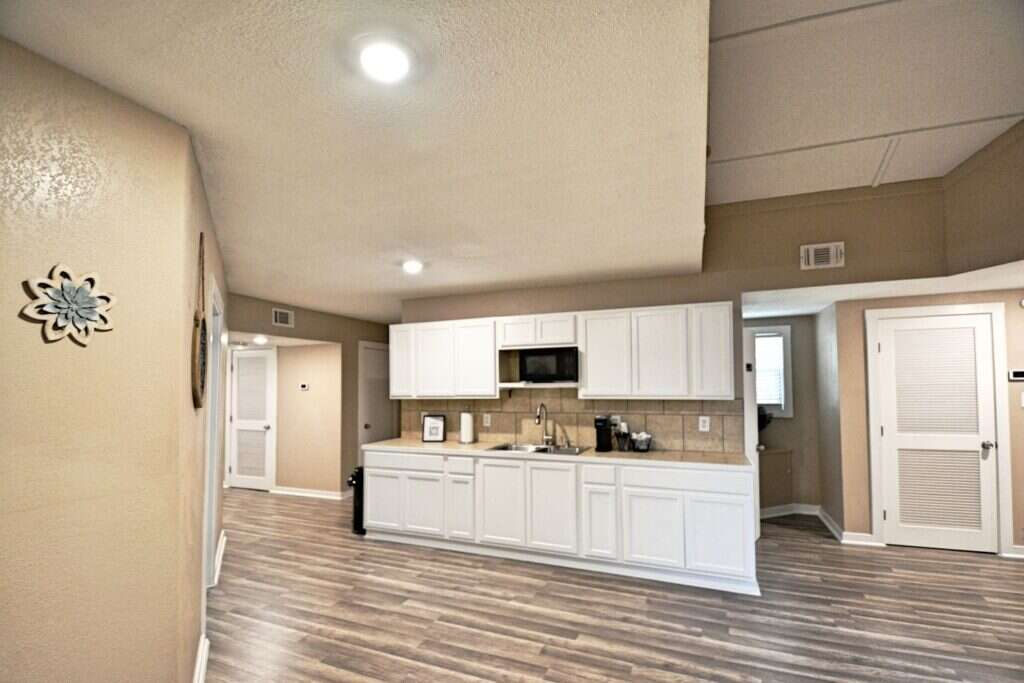
New Braunfels, TX · Office
Lease rate From $650/MO per suite
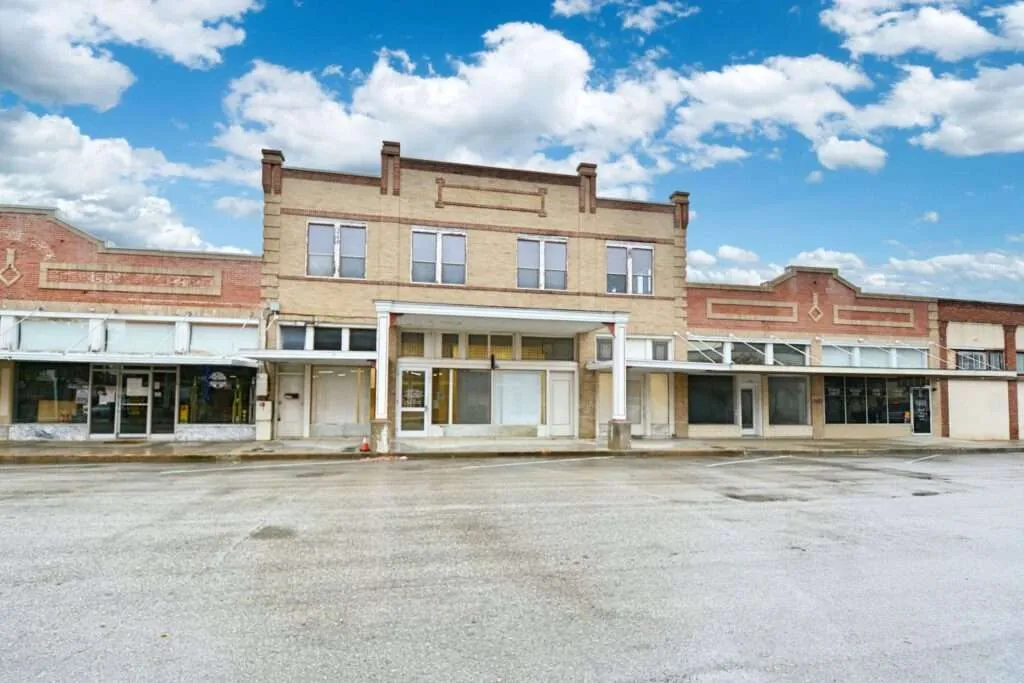
Seguin, TX · Office
Asking price $969,000

Seguin, TX · Office
Asking price $500,000
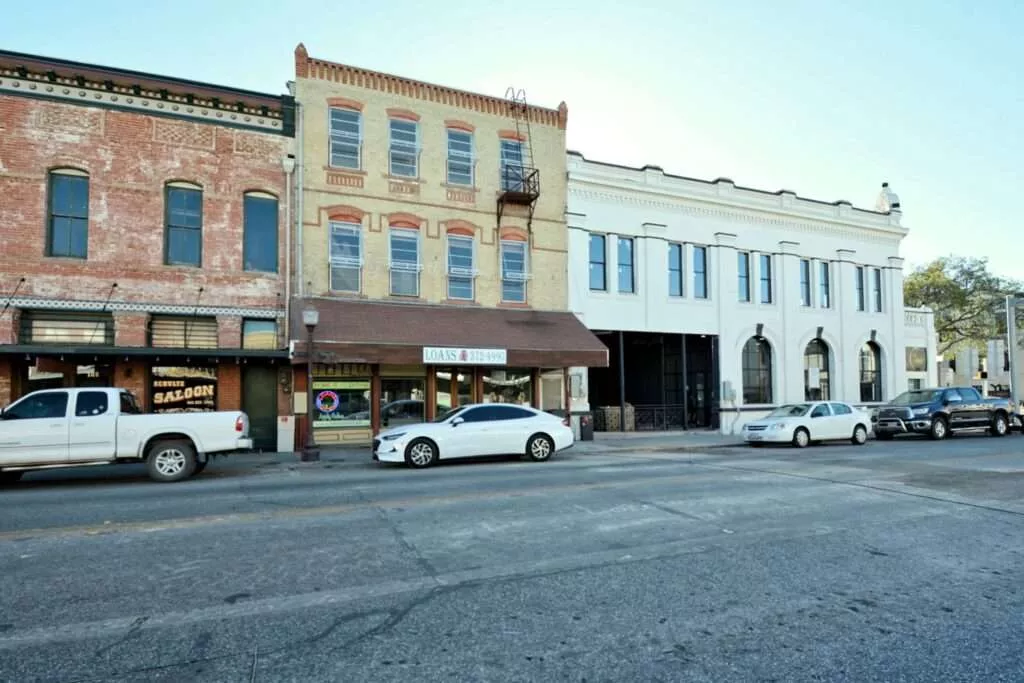
Seguin, TX · Office
Asking price $576,000
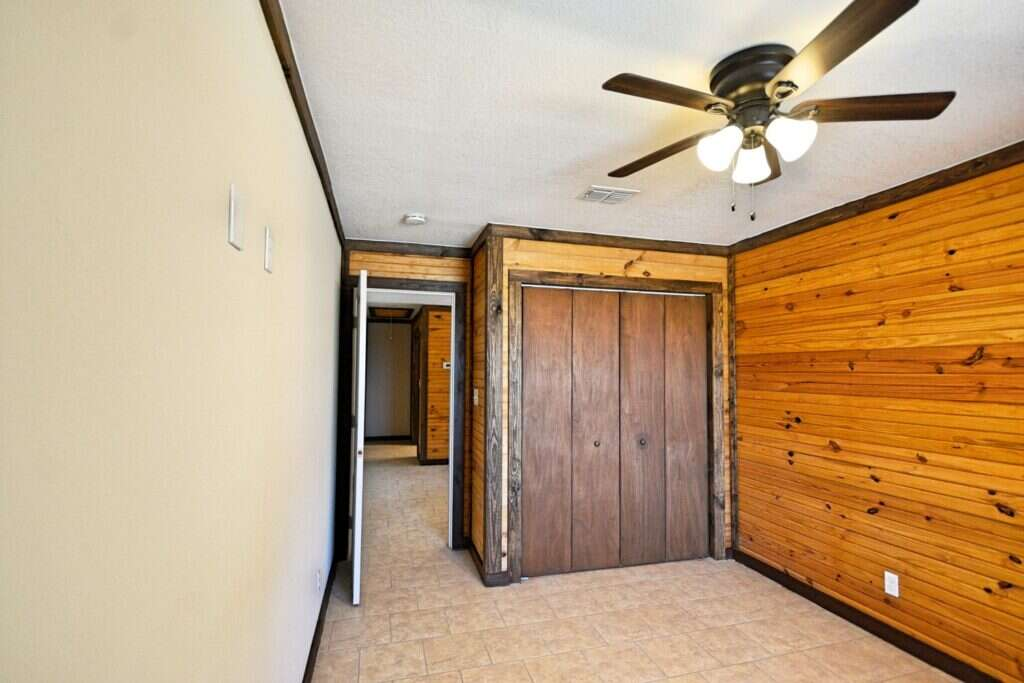
New Braunfels, TX · Office
Lease rate $1,350 /MO
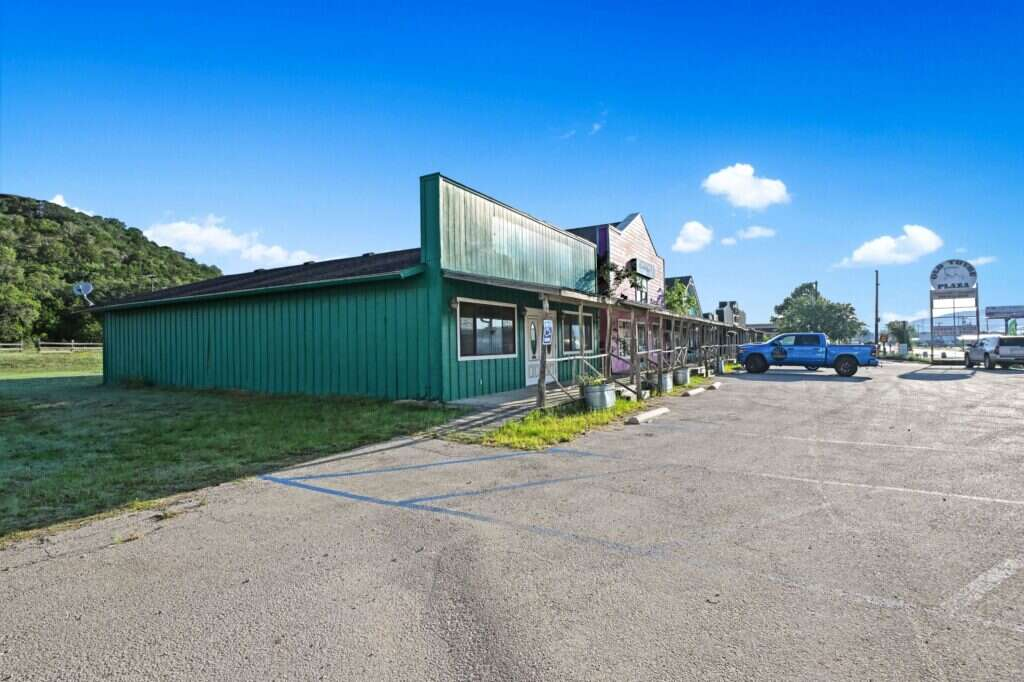
Canyon Lake, TX · Office
Lease rate $18 /SF/YR
Let’s connect for a free one-on-one phone call. Tell us what you own or what you need, and we will tell you what we see.
Schedule a call
Edwards Commercial Real Estate's New Braunfels & Central Texas Commercial Real Estate Blog
Insights, market trends and practical tips for buying, selling or leasing commercial property.
The numbers on a commercial land listing tell you what a parcel is — but only if you know how to read them. Acreage tells you size, frontage tells you exposure, utilities tell you what it will cost to make the dirt usable, and zoning tells you what you're allowed to build. Most of the…
Read more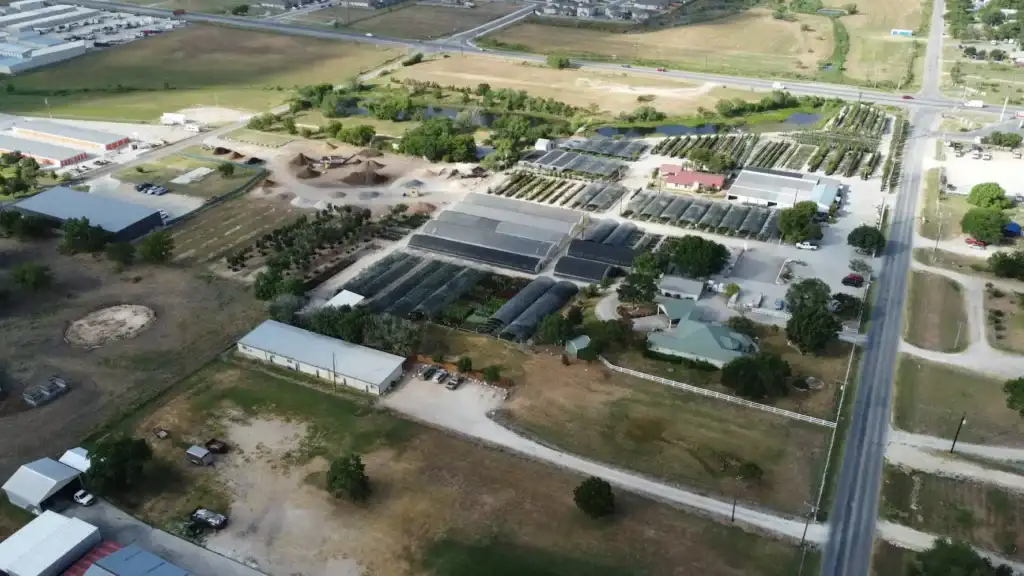
What's happening in the New Braunfels commercial real estate market right now? Buyer demand is concentrated and selective: well-located land along the I-35 and Hwy 46 corridors, smaller owner-occupant buildings, and income-producing retail are moving, while larger un-entitled land plays and mispriced or single-use assets are sitting longer. Pricing on premium frontage has stayed firm…
Read more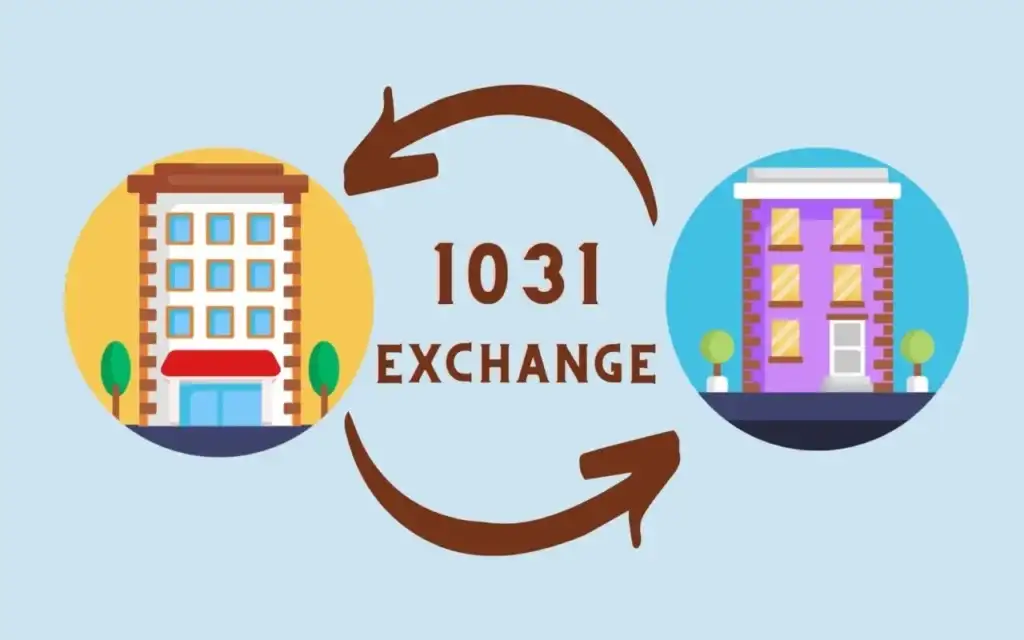
Yes — you can complete a 1031 exchange into commercial property in the Texas Hill Country, and for investors trading out of higher-basis coastal and urban markets, it is one of the more compelling moves available right now. The mechanics are the same as anywhere else in the country: like-kind real property, a 45-day identification…
Read moreTalk to us
Whether you have questions about commercial real estate, need advice on a property, or want to talk about a sale or lease, fill out the form and we will get back to you.