Opens in a new tab
Schedule Call

Central Texas Retail Real Estate

Commercial Retail Properties in New Braunfels & Central Texas — For Sale or Lease

Buying, selling, or leasing commercial retail properties in New Braunfels & Central Texas requires evaluating co-tenancy, traffic counts, and whether a site actually fits a specific operator’s business model. We represent owners, buyers, and tenants from San Marcos down through Schertz and into San Antonio, verifying property-level data before anyone commits to a contract. Tell us what your operation or investment strategy requires, and we will show you what the market realistically offers.

Discuss Your Retail Strategy

Definition

What is Retail Real Estate?

Retail property is commercial real estate designed to house businesses that sell goods and services directly to consumers. These structures range from single-tenant pads on busy corners to large centers anchored by national grocery chains. The value of these properties depends heavily on visibility, access from major roads, and the mix of businesses operating within the same center. Investors and operators evaluate these sites based on vehicle traffic, demographic density, and how well the physical layout supports customer flow and parking needs.

The way tenants pay for this space usually involves a base rent plus a share of the property’s operating costs, such as property taxes, insurance, and common area maintenance. In many retail leases, tenants also pay a percentage of their gross sales to the landlord once their revenue crosses a specific threshold. Ownership structures vary widely, with local owner-operators holding individual storefronts while institutional investors and real estate investment trusts often acquire large, multi-tenant power centers and lifestyle developments.

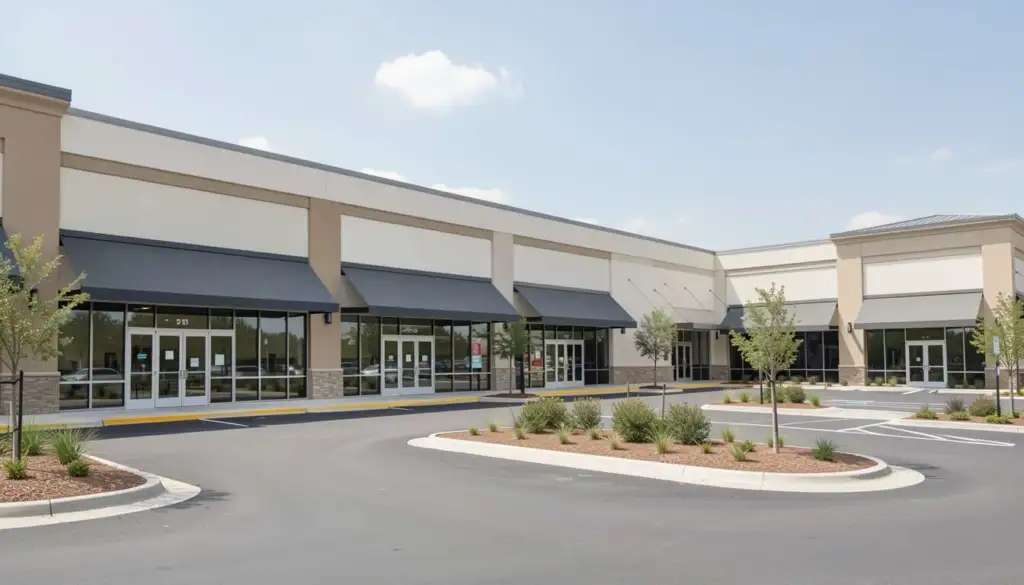
Retail commercial real estate in New Braunfels & Central Texas

Types of Retail Properties

Retail real estate takes many forms across the Austin – San Antonio IH35 Corridor, each built to serve a different type of consumer trip. The physical format dictates which tenants the building can attract, from quick-service restaurants needing drive-thru lanes to big-box retailers requiring massive floor plates and dedicated loading docks.

Matching the right operation to the right format determines a site’s long-term viability. An open-air center might look appealing on paper, but if the parking ratio cannot handle a restaurant’s peak dinner rush alongside a gym’s evening classes, the resulting congestion will eventually drive away customers and tenants alike.

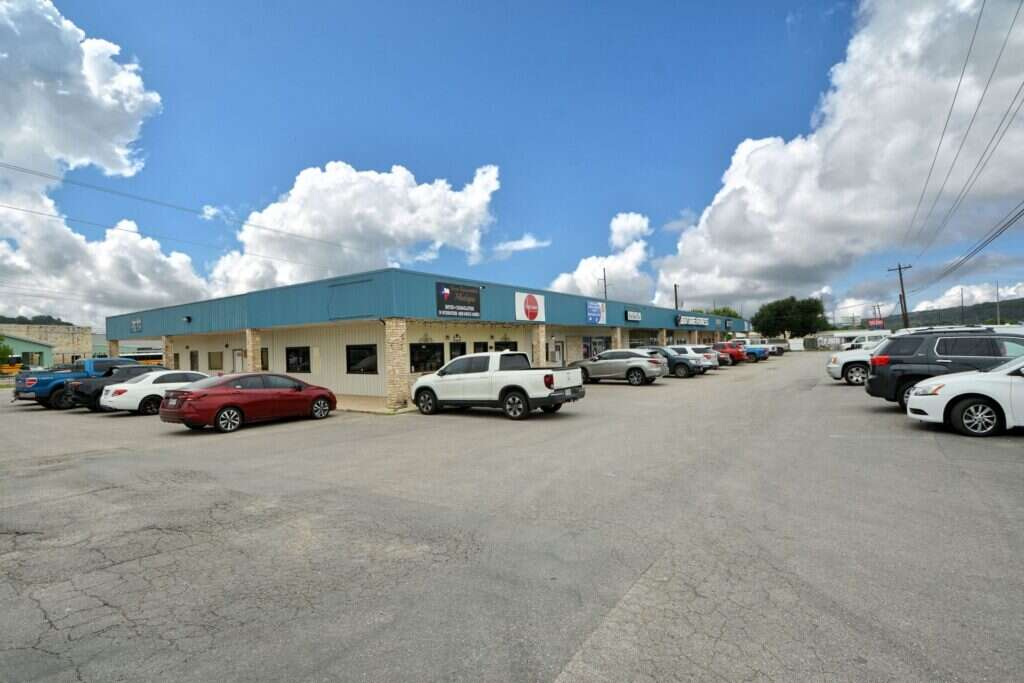
Strip Center

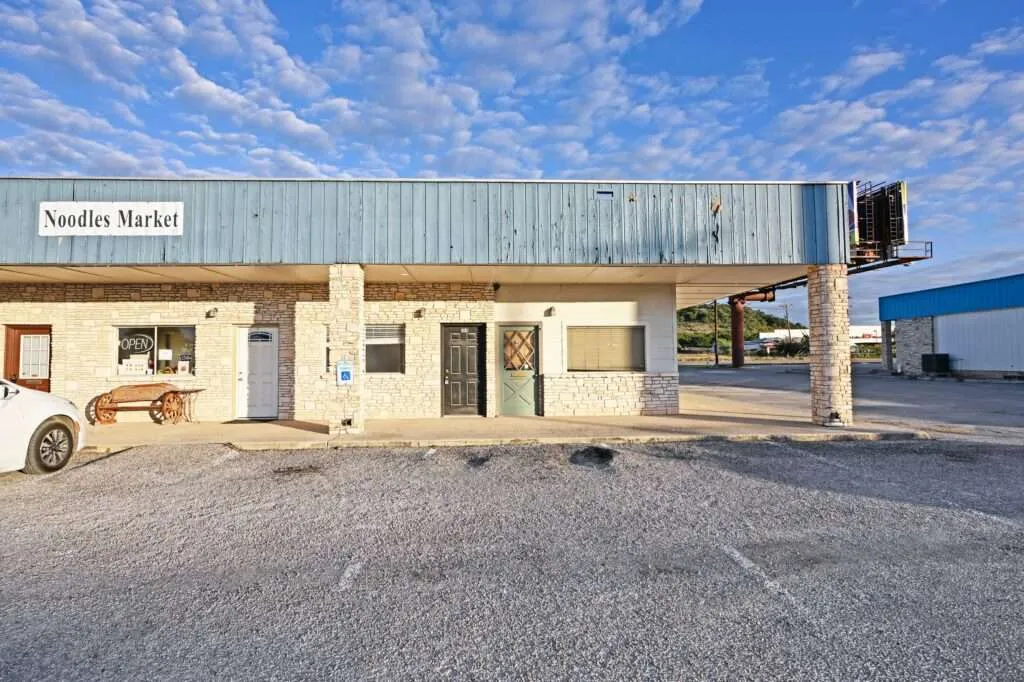
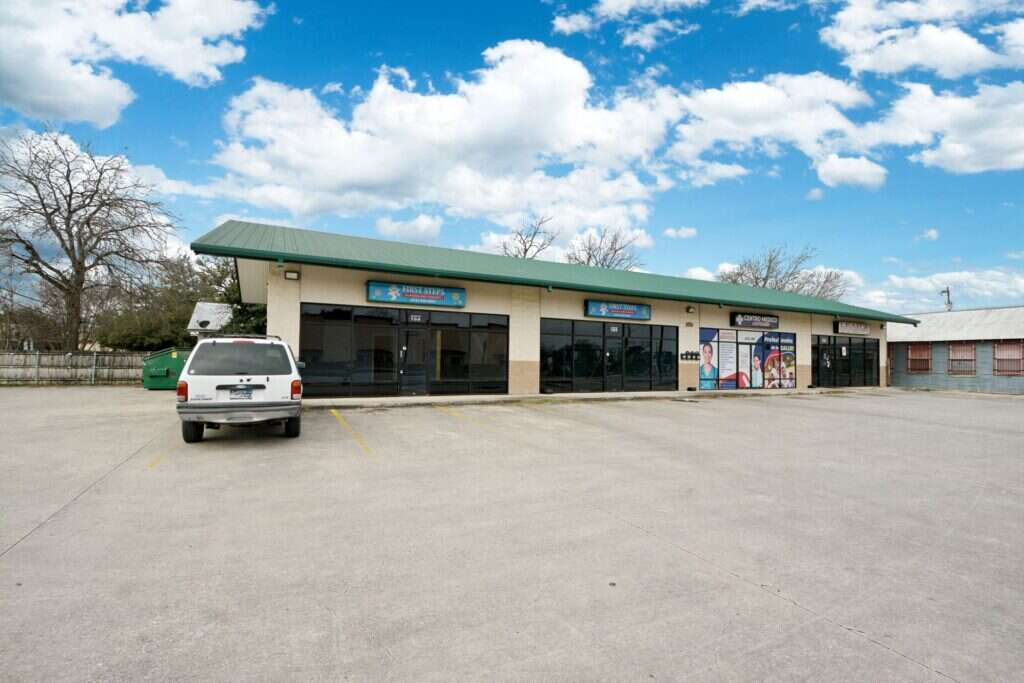
Small, open-air retail centers that typically group a few convenience-oriented businesses in a single row. They usually lack a major anchor tenant and rely on high visibility from the street to draw passing drivers. For local operators and service businesses, these centers offer accessible entry points into busy trade areas.

Neighborhood Center

Mid-size retail properties designed to serve the daily needs of the surrounding residential population. They are usually anchored by a grocery store or a large pharmacy that generates consistent, recurring foot traffic. The presence of a strong anchor provides smaller inline tenants with a reliable stream of potential daily customers.

Community Center

Larger than neighborhood centers, these properties pull shoppers from a wider geographic radius and offer a broader mix of goods. They often feature multiple anchors, such as a discount department store alongside a specialty retailer or large grocer. Investors favor these sites for their ability to withstand shifts in consumer habits by offering a diverse tenant mix.

Power Center

Massive retail developments dominated by several large, big-box national retailers. These centers consist almost entirely of anchor-style tenants with only a few smaller storefronts scattered throughout the site. The sheer scale and brand recognition of the tenants make these properties major regional destinations for specific shopping trips.

Freestanding Retail

Single-tenant buildings occupied by one business, sitting on their own parcel of land. These sites give the operator complete control over the building's identity, parking, and operating hours without having to coordinate with neighboring businesses. Investors often target these properties when they are backed by a long-term lease with a strong corporate parent.

Auto Service / Repair

Specialized buildings constructed specifically for vehicle maintenance, featuring multiple roll-up doors, heavy-duty floor slabs, and dedicated customer waiting areas. Because environmental regulations and zoning laws heavily restrict where these businesses can operate, existing locations hold significant value. Operators need these specific physical features to run their shops efficiently and legally.

Restaurant / Bar

Spaces built or retrofitted to handle commercial food and beverage preparation. They require heavy infrastructure, including grease traps, specialized exhaust hoods, high-capacity plumbing, and upgraded electrical panels. Because the initial build-out is extremely expensive, second-generation restaurant spaces that already have this infrastructure in place lease at a premium.

QSR / Fast Food

Quick-service restaurant properties defined by their drive-thru lanes and high-volume kitchen layouts. The site plan must accommodate stacking lanes for cars without blocking the main parking lot or the street entrance. For operators, the efficiency of the drive-thru directly dictates the location's total revenue potential.

Retail Pad

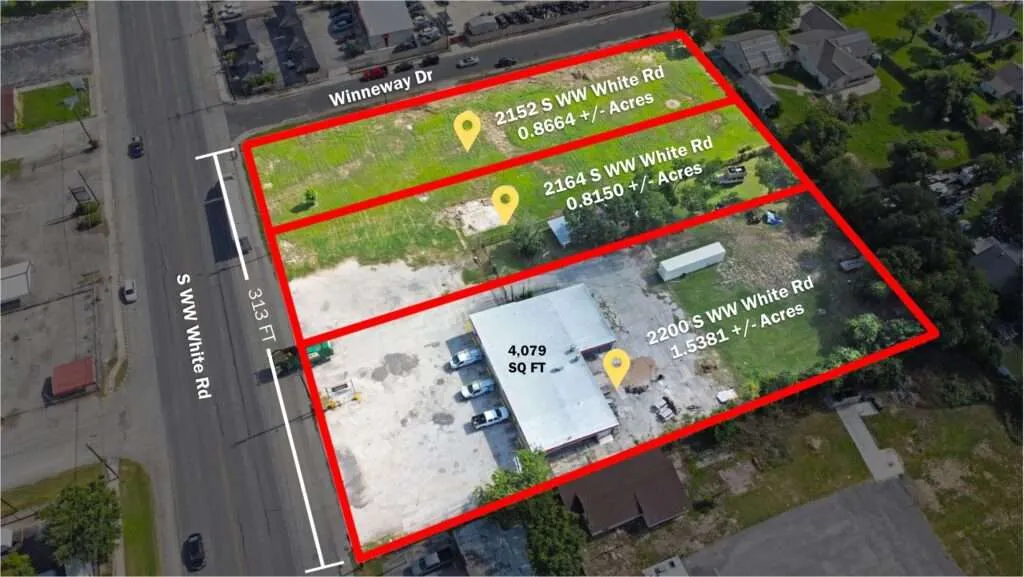
Small parcels of land carved out of the parking lot of a larger shopping center, usually sitting right along the main road. They offer maximum visibility and are typically developed for single-tenant users like banks, coffee shops, or fast-food concepts. These sites capture the traffic naturally flowing into the main center while maintaining their own distinct storefront.

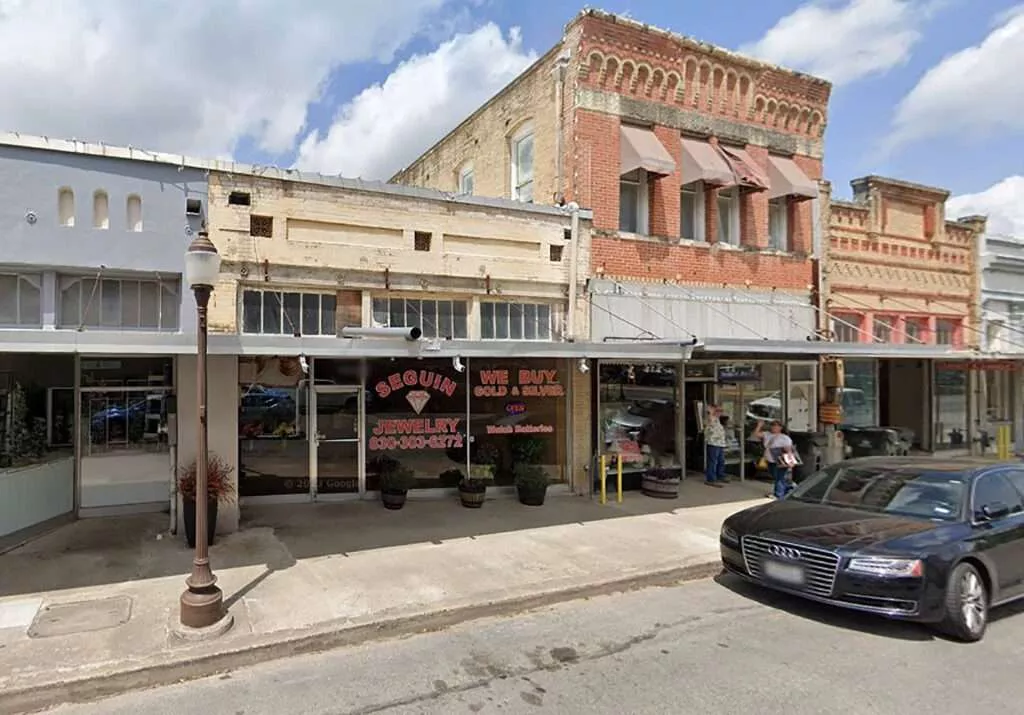
Street Retail

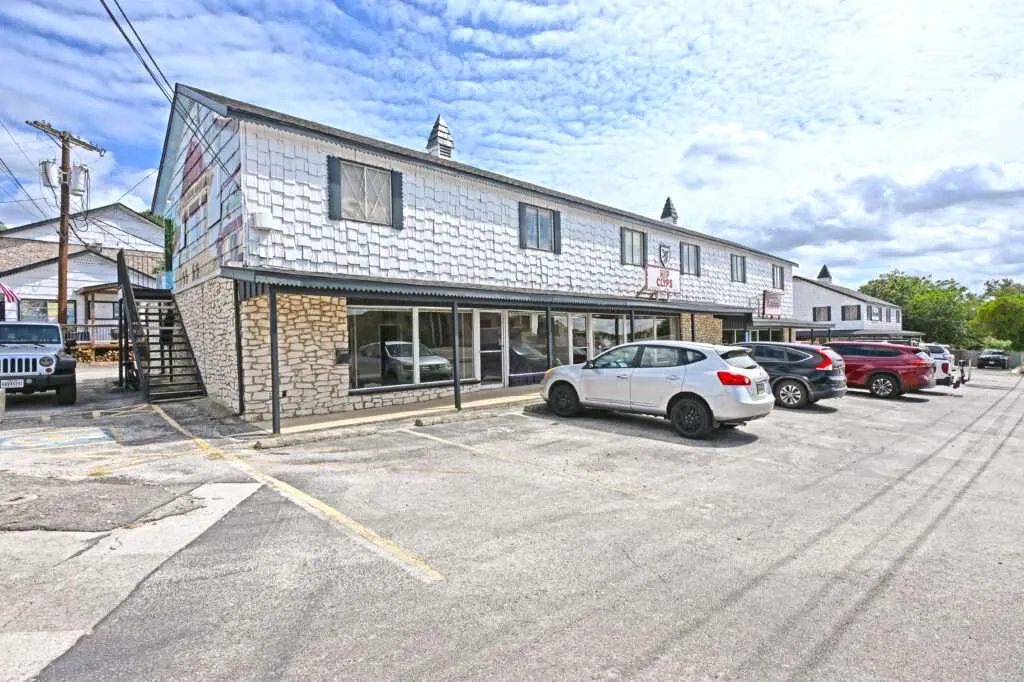
Urban or dense suburban storefronts that face directly onto a pedestrian-heavy sidewalk or main street. They often lack dedicated parking lots, relying instead on foot traffic and street parking to bring in customers. Businesses choose these locations to embed themselves into the daily walking routines of the local neighborhood.

Lifestyle Center

Upscale, open-air developments that combine retail, dining, and entertainment in a highly designed, walkable environment. They focus heavily on the customer experience, featuring public gathering spaces, attractive landscaping, and premium restaurant concepts. Landlords build these centers to keep shoppers on the property for several hours rather than just a quick errand.

Who Transacts in Retail Real Estate

The retail market along the I-35 corridor serves a wide range of participants, from national brands securing new drive-thru locations to local investors acquiring multi-tenant strip centers. Buyers look for stable income and strong co-tenancy, sellers aim to capitalize on fully leased properties, and tenants search for spaces that put them directly in front of their target demographic.

Navigating these transactions requires understanding the competing priorities of everyone involved. An owner wants to maximize their rental income, but pushing rates too high or bringing in a tenant whose use conflicts with an existing anchor can destabilize the entire center’s foot traffic.

First-Time Commercial Buyers

Investors moving capital into commercial property for the first time, often targeting single-tenant freestanding buildings. They typically look for properties with an established corporate tenant on a long-term lease, minimizing their day-to-day management responsibilities. This structure provides a straightforward entry point into commercial cash flow.

Growing Franchise Operators

Tenants expanding a proven restaurant or retail concept into new submarkets like New Braunfels or Buda. They need specific building layouts, clear visibility, and traffic patterns that match the corporate brand's strict site requirements. Securing the right physical space is the primary hurdle to opening their next location.

Multi-Tenant Center Owners

Landlords managing neighborhood or community centers who need to maintain a balanced mix of businesses. They actively evaluate their rent rolls to ensure that new leases complement rather than cannibalize their existing tenant base. Their focus is on keeping the center fully occupied with reliable operators who drive consistent daily traffic.

Portfolio Restructuring Sellers

Owners who have held retail properties through multiple market cycles and are now looking to redeploy their equity. They may be selling a management-intensive strip center to transition into lower-maintenance assets or preparing for an estate transition. They need a clear valuation based on their current leases to make informed disposition decisions.

Value-Add Investors

Buyers actively searching for older or underperforming centers with significant vacancy. They acquire these properties with a plan to upgrade the exterior, rework the parking lot, and aggressively market the empty spaces to stronger regional tenants. Their strategy relies on improving the property's physical appeal to lift the overall rental income.

Retail Frequently Asked Questions

Frequently Asked Questions About Retail Real Estate

Retail real estate involves complex lease structures, specialized build-outs, and a heavy reliance on local market dynamics. Whether you are evaluating a purchase, preparing to sell, or looking to lease space for your business, the details of the contract matter just as much as the location itself.

The most common missteps in retail deals happen when parties misunderstand who is responsible for the building’s physical components. Clarifying whether the landlord or the tenant pays to replace a failing HVAC unit or repair the roof prevents expensive disputes long after the paperwork is signed.

Retail properties generally require more intensive management and focus heavily on consumer traffic, whereas industrial properties center on logistics and building specifications. Retail tenants depend on the property’s visibility and neighboring businesses to drive sales, meaning the landlord must actively manage the tenant mix. Industrial properties often involve longer leases with fewer tenants, but retail typically offers higher visibility and closer proximity to residential populations.

A percentage rent clause requires the tenant to pay the landlord a portion of their gross sales once their revenue exceeds a negotiated baseline. This structure aligns the owner’s financial upside with the business’s success at that specific location. It is most common in high-traffic shopping centers where the landlord’s marketing and maintenance directly contribute to the tenant’s foot traffic.

In most retail centers, the tenants reimburse the landlord for their proportional share of the property taxes, building insurance, and common area maintenance. The landlord pays the bills directly to the municipality and service providers, then bills the tenants based on how much square footage they occupy. This structure protects the owner’s net income from unpredictable spikes in operating costs.

A co-tenancy clause allows a smaller tenant to reduce their rent or break their lease if a major anchor tenant leaves the shopping center. Because smaller shops rely on the grocery store or big-box retailer to bring customers into the parking lot, losing that anchor severely impacts their daily sales. Negotiating these terms protects the smaller business from paying full price for a half-empty center.

A retail building’s parking ratio dictates what types of businesses can legally and practically operate in the space. A restaurant requires significantly more parking spots per thousand square feet than a furniture store, and a site without enough spaces will fail municipal zoning checks. Properties with abundant, easily accessible parking attract a wider pool of high-paying tenants.

Second-generation restaurant space already contains the expensive, specialized infrastructure required for commercial food preparation. Installing grease traps, heavy-duty plumbing, and commercial exhaust hoods in a new building requires massive upfront capital and lengthy permitting processes. Leasing a space where this equipment is already in place allows a new operator to open faster and with far less initial cash.

An exclusive use clause prevents the landlord from leasing space in the same center to a direct competitor. For example, a coffee shop might require a clause stating no other tenant can generate more than a small fraction of their revenue from selling coffee. This protects the tenant’s market share within the property and helps the landlord maintain a diverse mix of businesses.

A 1031 exchange allows a seller to defer capital gains taxes by reinvesting the proceeds from their retail property into a new qualifying commercial property. The process runs on strict statutory deadlines that begin the day the sale closes, and missing any of them triggers the full tax liability. Because the rules are rigid, you must engage a Qualified Intermediary before the initial transaction is finalized; a qualified tax advisor can evaluate how this applies to your situation.

Stay informed

Subscribe to Our Newsletter

Market insights, new listings and development updates for commercial investors in the New Braunfels–Seguin–San Marcos growth corridor, delivered to your inbox.

Sidebar Subscription Form (#10)

Looking for a Retail property?

Get Started With Your Tailored New Braunfels & Central Texas Commercial Property Search

Chat with our property search below. Tell us what you need and we will point you to the right listings.

Schedule A Complimentary Phone Consultation

Let’s connect for a free one-on-one phone call. Tell us what you own or what you need, and we will tell you what we see.

Schedule a call

Edwards Commercial Real Estate's New Braunfels & Central Texas Commercial Real Estate Blog

Expert Resources for Commercial Real Estate Success

Insights, market trends and practical tips for buying, selling or leasing commercial property.

View all articles

Talk to us

We Would Love To Hear From You

Whether you have questions about commercial real estate, need advice on a property, or want to talk about a sale or lease, fill out the form and we will get back to you.

830-620-7653

[email protected]

General Contact Form