Opens in a new tab
Schedule Call

Central Texas Self Storage

Self Storage Investment Properties in Central Texas

Buying or selling self storage facilities along the I-35 corridor comes down to understanding the operational business as much as the real estate itself. At Edwards Commercial Real Estate, we evaluate the lease-up curves, management models, and local demand drivers across New Braunfels, San Marcos, and the broader Central Texas market. Tell us what your capital is trying to achieve, and we will show you how the actual facilities perform on the ground.

Discuss Storage Investments

Definition

What Is Self Storage Real Estate?

Self storage property is commercial real estate designed to generate income through the short-term rental of individual storage units to consumers and businesses. Unlike traditional commercial leases that span years, storage relies on month-to-month agreements that allow operators to adjust rates quickly in response to local demand. The physical structures prioritize security, accessibility, and durability over complex interior build-outs. Because the tenant base is highly fragmented across hundreds of individual renters, the asset class historically spreads its income risk widely rather than relying on a single corporate occupant.

The underlying value of a storage facility depends heavily on its operating business model and the surrounding demographic density. Investors evaluate these properties based on the physical layout, the mix of unit sizes, and whether the management structure is fully staffed or relies on remote kiosks. Buyers typically range from local private operators acquiring their first facility to institutional aggregators rolling up regional portfolios. The revenue side is driven by physical occupancy and effective collections, while the expense side focuses on property taxes, insurance, and the software systems used to manage tenant access and billing.

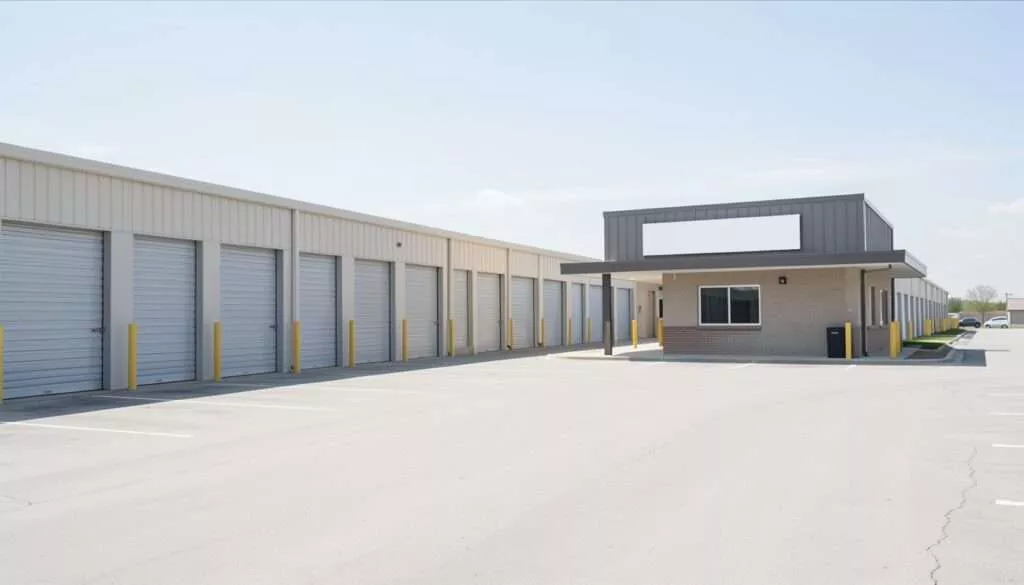
Self Storage commercial real estate in New Braunfels & Central Texas

Storage Facility Formats

The self storage sector encompasses several distinct physical configurations, each serving a different segment of market demand. The right format depends entirely on the local zoning, the available land footprint, and the specific needs of the surrounding community. Facilities range from single-story drive-up rows to multi-level indoor structures.

We help investors evaluate which structural types align with their management capabilities and capital requirements. A facility geared toward recreational vehicles operates on a completely different expense profile than a climate-controlled building positioned near dense residential subdivisions. Understanding these structural differences is the first step in assessing a property’s potential cash flow.

Self-Storage Facility

Traditional drive-up facilities feature single-story metal buildings with roll-up doors accessible directly from paved drive aisles. These properties typically offer lower construction costs and appeal to users needing straightforward loading and unloading. Evaluating these sites requires analyzing the durability of the metal panels, roof condition, and the efficiency of the site's drainage.

Climate-Controlled

These facilities regulate temperature and humidity to protect sensitive items like electronics, furniture, and documents. They are often multi-story structures located in denser areas, featuring interior hallways and elevator access. The investment math here centers on the utility costs required to maintain the environment and the premium rents those units can command.

Boat / RV

Designed for oversized recreational vehicles and watercraft, these properties require expansive land parcels with wide turning radii. Configurations range from open gravel lots to fully enclosed garages with dedicated power hookups. Investors focus on the local zoning regulations and the proximity to lakes, highways, and communities with restrictive parking covenants.

Portable / Container

This model utilizes movable steel shipping containers or custom portable units placed on a secured lot. The primary advantage is the flexibility to scale capacity up or down without permanent construction or extensive permitting. The analysis for this subtype focuses on lot security, ground surface stability, and the logistics of moving the containers when necessary.

Who Invests in Self Storage

Self storage attracts capital from across the commercial real estate spectrum, largely because the asset class merges a physical property with an active retail business. The investors who succeed in this space understand how to manage short-term tenant turnover and optimize pricing on a daily basis. The strategy dictates the type of facility targeted.

At Edwards Commercial Real Estate, we guide buyers and sellers through the operational realities of these facilities across the I-35 corridor. Whether you are acquiring your first property in Schertz or looking to divest a portfolio in San Marcos, we align the physical real estate with your specific management capacity. The right facility is the one that matches your operational bandwidth and return expectations.

First-Time Facility Operators

Buyers entering the commercial real estate market often target smaller, single-story drive-up facilities. These properties offer a straightforward entry point without the complexity of major tenant build-outs or long-term lease negotiations. The primary challenge is establishing efficient management systems to handle daily inquiries and collections.

Value-Add Syndicators

Operators acquiring older, unrenovated facilities aim to implement modern management software, repair deferred maintenance, and push below-market rents upward. They look for mom-and-pop properties that lack online leasing capabilities or aggressive revenue management. The return model relies on institutionalizing the operations to increase the net operating income.

1031 Exchange Investors

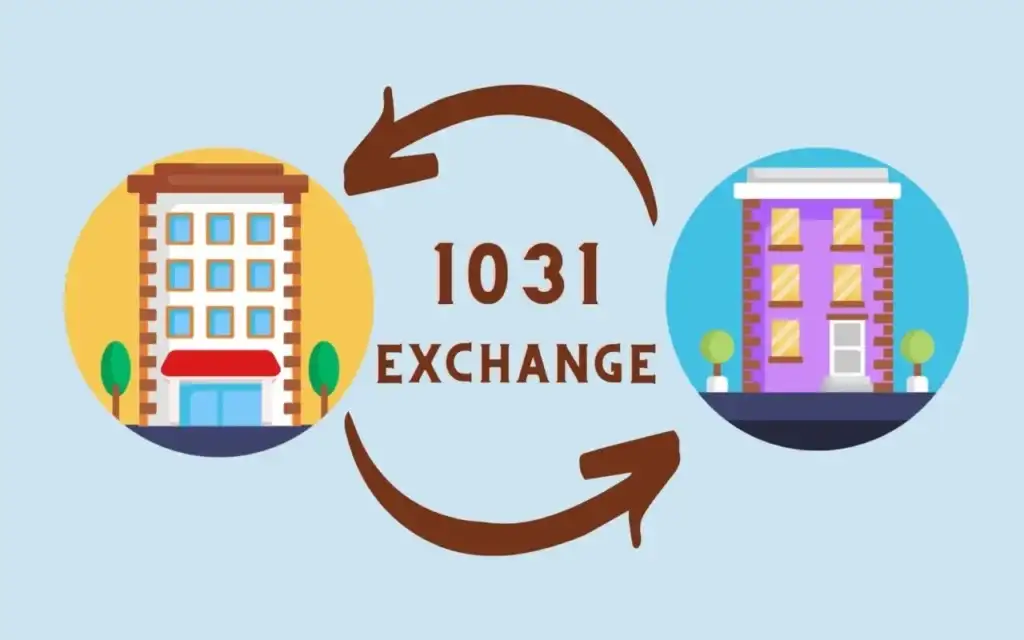
Capital seeking to defer taxes through a 1031 exchange often rotates into self storage for its historical cash flow stability. These buyers prioritize stabilized assets with high occupancy and predictable expense ratios over heavy renovation projects. They face strict statutory deadlines that require identifying replacement properties immediately after closing their relinquished asset.

Regional Portfolio Aggregators

Well-capitalized groups focus on acquiring multiple facilities within a specific geographic radius, such as the Austin to San Antonio corridor. This strategy allows them to consolidate management, maintenance, and marketing expenses across several locations. They target properties that can be integrated into their existing centralized operating platform.

Self Storage Frequently Asked Questions

Self Storage Investment FAQs

Evaluating self storage requires looking past the physical metal and concrete to understand the underlying business operations. Investors often have questions about how these properties perform compared to other commercial assets, especially regarding tenant management and revenue cycles. The details of the operating model dictate the property’s overall value.

We address the common structural and financial questions that arise when analyzing facilities in New Braunfels and the surrounding counties. From comparing storage to industrial warehouses to understanding expense structures, we provide the practical context needed to make informed capital decisions. Review the fundamentals below before beginning your property search.

Self storage relies on hundreds of short-term consumer agreements, whereas industrial warehouses typically depend on a few long-term corporate leases. Industrial properties require significant capital for tenant improvements and face higher vacancy risk if a single large tenant leaves. Storage facilities spread that vacancy risk across many units but require much more intensive daily management and marketing to maintain occupancy.

The primary expenses include property taxes, property insurance, payroll for on-site management, and marketing costs. Climate-controlled facilities also carry significant utility burdens to maintain temperature and humidity levels. Because storage tenants turn over frequently, the marketing budget required to attract new renters is a larger line item than in traditional commercial real estate.

Performance is typically measured by tracking physical occupancy, economic occupancy, and the net operating income. Physical occupancy counts the number of units rented, while economic occupancy measures the actual rent collected against the gross potential rent. The gap between the two highlights the impact of concessions, discounts, and delinquent accounts on the property’s cash flow.

Many modern facilities operate entirely through remote management software, automated gates, and self-service kiosks. This model reduces payroll expenses but requires a high degree of physical security and reliable technology systems. Investors must weigh the savings in labor against the potential loss of customer service and the capital cost of installing the necessary automation hardware.

A 1031 exchange operates on strict statutory deadlines that begin the day your relinquished property closes. Investors must formally identify potential replacement facilities and complete the acquisition within those specific windows, or the tax deferral fails entirely. A qualified intermediary must be engaged before the initial sale closes, and your CPA can confirm the specifics for your position.

Stay informed

Subscribe to Our Newsletter

Market insights, new listings and development updates for commercial investors in the New Braunfels–Seguin–San Marcos growth corridor, delivered to your inbox.

Sidebar Subscription Form (#10)

Looking for a Self Storage property?

Get Started With Your Tailored New Braunfels & Central Texas Commercial Property Search

Chat with our property search below. Tell us what you need and we will point you to the right listings.

Schedule A Complimentary Phone Consultation

Let’s connect for a free one-on-one phone call. Tell us what you own or what you need, and we will tell you what we see.

Schedule a call

Edwards Commercial Real Estate's New Braunfels & Central Texas Commercial Real Estate Blog

Expert Resources for Commercial Real Estate Success

Insights, market trends and practical tips for buying, selling or leasing commercial property.

View all articles

Talk to us

We Would Love To Hear From You

Whether you have questions about commercial real estate, need advice on a property, or want to talk about a sale or lease, fill out the form and we will get back to you.

830-620-7653

[email protected]

General Contact Form