Opens in a new tab
Schedule Call

Special Purpose Real Estate

Special Purpose Properties in New Braunfels & Central Texas — For Sale or Lease

Buying, selling, or leasing special purpose properties in New Braunfels, San Marcos, and San Antonio requires evaluating the specific business infrastructure attached to the real estate. We work these specialized deals across the Austin – San Antonio IH35 Corridor, analyzing zoning constraints, specific build-outs, and adaptive reuse potential before you commit capital. Tell us what operational requirements your facility needs or what kind of specialized asset you are looking to exit, and we will outline what the market actually supports.

Discuss Your Property Needs

Definition

What is Special Purpose Real Estate?

Special purpose property is commercial real estate designed and built for a specific, narrow use that makes it difficult to convert to another operation without significant capital. These assets combine the value of the underlying real estate with the specialized infrastructure required to run the business inside it. Because the physical structure is tied so closely to a single business model, the value of the property often depends heavily on the health of the specific industry it serves and the cost of replacing its specialized equipment or layout.

The participants in this market are typically specialized operators, owner-users, and focused investment groups who understand the operational nuances of the asset class. Transactions often involve evaluating business enterprise value alongside the physical real estate, requiring a different approach to appraisal and financing than standard commercial buildings. Zoning approvals, environmental considerations, and municipal permits play an outsized role in these deals, as local regulations dictate whether a specialized use can continue or expand.

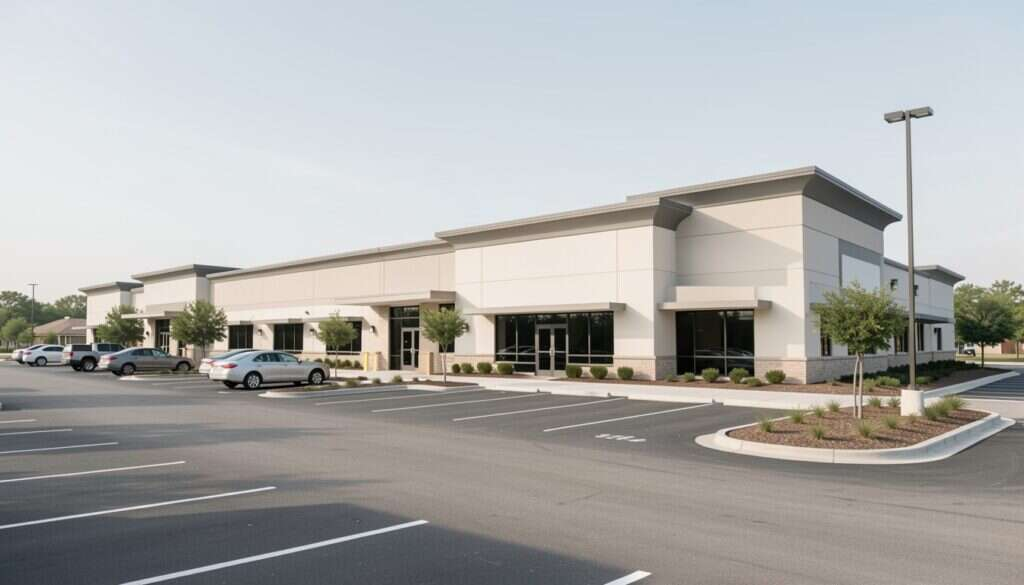
Special Purpose commercial real estate in New Braunfels & Central Texas

Special Purpose Property Types

The special purpose category covers a wide range of specialized operations, each with its own structural requirements and market fundamentals. Evaluating these properties requires understanding the specific demands of the business type, from water usage and environmental controls to traffic flow and municipal zoning.

We evaluate these assets by looking past the physical structure to understand how the layout serves the operation. Whether analyzing the equipment lifespan of a single-use facility or the adaptive reuse potential of an aging specialized building, understanding the exact property type dictates how it is positioned in the market.

Car Wash

Facilities built specifically for automotive cleaning, categorized by their operational model such as express tunnel, in-bay automatic, or self-serve. Value relies heavily on traffic counts, queuing capacity, and specialized water treatment infrastructure.

School / Education

Buildings designed for instructional use, ranging from private academies and charter schools to specialized training centers. These properties require specific life-safety features, classroom configurations, and outdoor recreation or assembly areas.

Religious Facility

Properties constructed for congregation and worship, often featuring large assembly halls, sanctuary spaces, and integrated educational or administrative wings. Converting these assets usually requires significant interior demolition and zoning reviews.

Marina

Waterfront properties providing boat docking, storage, and marine services. These assets involve complex environmental compliance, submerged land leases, and revenue streams tied directly to seasonal recreation and slip rentals.

Golf Course

Large acreage tracts developed for recreational golf, including the fairways, clubhouse, and maintenance facilities. Transactions often turn on water rights, membership structures, and the underlying value of the land for potential redevelopment.

Event Venue

Spaces configured for hosting large gatherings, such as banquet halls, concert venues, and conference centers. Key considerations include commercial kitchen capacity, parking ratios, acoustic design, and municipal assembly permits.

Who Operates in Special Purpose Real Estate

The market for specialized commercial real estate brings together operators who need exact configurations and investors who understand specific industries. Because these properties are rarely interchangeable with standard commercial space, the buyer and tenant pools are highly targeted.

At Edwards Commercial Real Estate, we match specialized properties with the groups equipped to operate or reposition them. We verify the specific infrastructure and zoning allowances to ensure the physical real estate aligns with the strategic goals of the incoming operator or investor.

Owner-Operators

Business owners who require specialized infrastructure and choose to control their real estate rather than lease. This structure allows them to protect their specialized build-out investments and capture the long-term appreciation of the property.

Adaptive Reuse Developers

Investors who target obsolete special purpose properties with the intent of converting them to higher-demand uses. They evaluate the cost of structural modification against the underlying land value and submarket demand.

First-Time Specialized Buyers

Operators acquiring their first dedicated facility to scale an existing business model. We help them evaluate the physical plant, specialized systems, and municipal compliance requirements before closing.

Sale-Leaseback Investors

Investment groups that purchase the real estate from a specialized operator and lease it back to them under a long-term agreement. This allows the operator to free up capital while providing the investor with a steady yield.

Institutional Niche Funds

Large capital groups that focus entirely on specific operational real estate, such as marinas or car washes. They acquire multiple properties to build regional scale and implement standardized management practices.

Special Purpose Frequently Asked Questions

Frequently Asked Questions About Special Purpose Real Estate

Navigating special purpose real estate involves answering questions that rarely apply to standard commercial buildings. From business enterprise valuation to the cost of retrofitting specialized infrastructure, the details dictate the viability of the transaction.

We guide clients through the specific regulatory and structural hurdles of these assets across Central Texas. Here are the common questions we address when evaluating, acquiring, or repositioning single-use properties.

Special purpose real estate is defined by a physical structure that serves only one specific type of business, whereas standard retail or industrial properties are built to accommodate many different tenants. If an industrial tenant vacates, another can move into the warehouse with minimal changes. If a car wash or golf course operator leaves, the property must either find the exact same type of operator or undergo a massive structural conversion.

Yes, but converting a specialized property requires significant capital and municipal approval. The feasibility depends on the underlying zoning, the cost of removing specialized infrastructure, and the structural limits of the existing building. We evaluate the property’s highest and best use to determine if conversion makes financial sense compared to the land value.

Valuation typically relies on the income approach tied to the specific business operation or the replacement cost of the specialized facility. Because there are fewer direct comparable sales than in standard commercial real estate, appraisers often look at the health of the underlying enterprise. We verify the actual revenue capacity and structural condition to establish a realistic market position.

Financing a special purpose asset generally requires lenders who understand the specific industry operating inside the building. Lenders often require higher down payments and shorter amortization periods because the property is harder to re-lease if the operator defaults. Your commercial lender will evaluate both the real estate metrics and the operational business plan.

Zoning dictates whether the specialized use is legally permitted to continue, expand, or change. Many older special purpose properties operate under grandfathered use clauses, meaning a lapse in operation could void their right to exist in that location. We confirm the municipal entitlements before any transaction to protect the asset’s operational viability.

A 1031 exchange allows an investor to defer capital gains taxes by rolling the proceeds from one specialized property into a new qualifying commercial asset. The exchange runs on strict statutory deadlines that start the day the sale closes, and missing either deadline voids the tax deferral. A qualified tax advisor can evaluate how this applies to your specific timeline and portfolio strategy.

Stay informed

Subscribe to Our Newsletter

Market insights, new listings and development updates for commercial investors in the New Braunfels–Seguin–San Marcos growth corridor, delivered to your inbox.

Sidebar Subscription Form (#10)

Looking for a Special Purpose property?

Get Started With Your Tailored New Braunfels & Central Texas Commercial Property Search

Chat with our property search below. Tell us what you need and we will point you to the right listings.

Schedule A Complimentary Phone Consultation

Let’s connect for a free one-on-one phone call. Tell us what you own or what you need, and we will tell you what we see.

Schedule a call

Edwards Commercial Real Estate's New Braunfels & Central Texas Commercial Real Estate Blog

Expert Resources for Commercial Real Estate Success

Insights, market trends and practical tips for buying, selling or leasing commercial property.

View all articles

Talk to us

We Would Love To Hear From You

Whether you have questions about commercial real estate, need advice on a property, or want to talk about a sale or lease, fill out the form and we will get back to you.

830-620-7653

[email protected]

General Contact Form