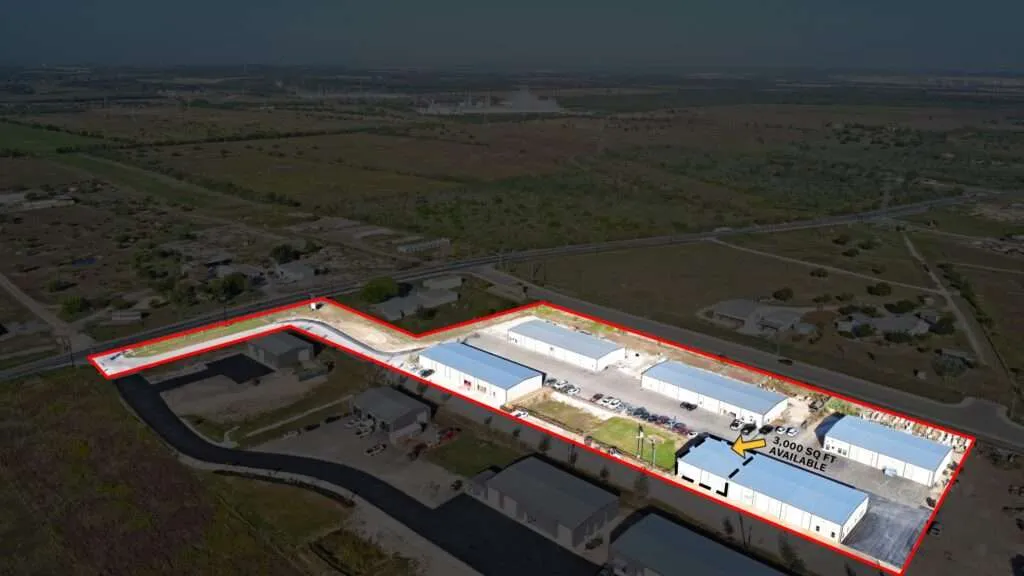
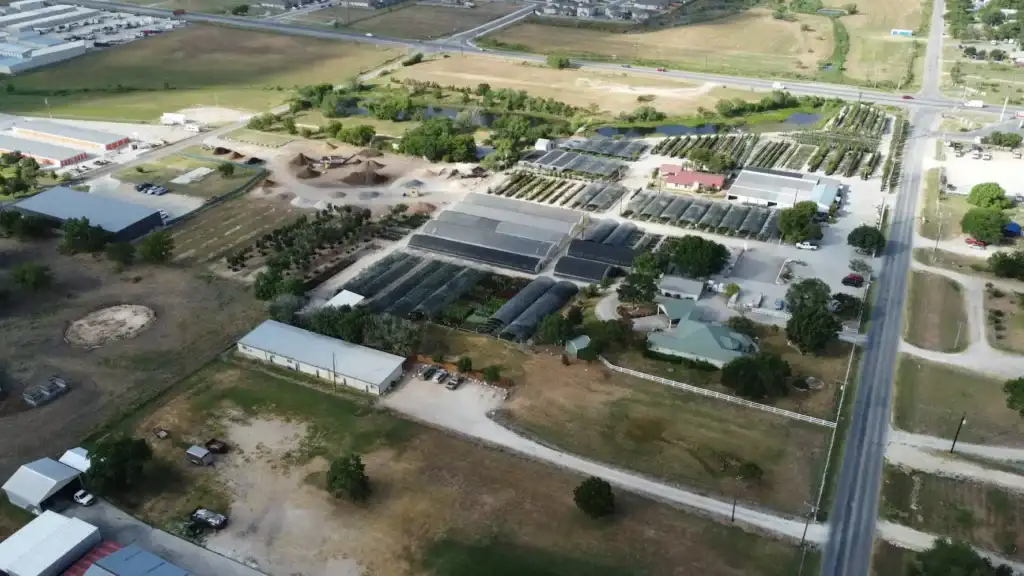
When we sit down with investors to discuss Austin, our message is clear: the ‘easy’ gains of the last decade have transitioned into a market that rewards precision and local intelligence. We focus heavily on the ‘why’ behind an investment, and in Austin, the ‘why’ is currently driven by the massive manufacturing tailwinds. The deals we’re seeing suggest that the Southeast and Northeast submarkets—specifically those with immediate access to SH-130 and I-35—are the most resilient plays for industrial and land acquisition.
In our recent analysis, stabilized Class A industrial assets in the Austin metro are trading at 5.75% to 6.25% cap rates. While this is a expansion from the sub-5% days of 2021, the rental growth remains healthy, with NNN rates for new flex and distribution space holding firm between $12.50 and $14.50 per square foot. Our clients are increasingly looking at 1031 exchange opportunities that move capital from overbuilt office sectors into high-demand industrial or grocery-anchored retail sites along the growth arteries.
The primary headwind we are monitoring is the office supply overhang. With total office vacancy exceeding 20% in some suburban submarkets due to the delivery of 4.5 million square feet of new product since 2023, we are advising extreme caution in the office sector. However, for the investor with a 10-year horizon, this softening provides a unique entry point for well-located Class A assets at a significant discount to replacement cost. Net assessment: Austin remains a ‘buy’ for industrial and land, and a ‘hold’ for stabilized retail.